
 Product & Series Guides Sep 24, 2026 HM212049/HM212011 Bearing for Heavy Truck: Wholesale Supplier Verify HM212049/HM212011 bearing specs to prevent heavy truck axle failures and port seizures. Ensure precise inner and outer ring matching alongside flawless customs documentation… Read the Article
Product details
Bearing Description and Use
The notes below help repair managers, engineers and technical buyers match this bearing to the correct position and arrangement.
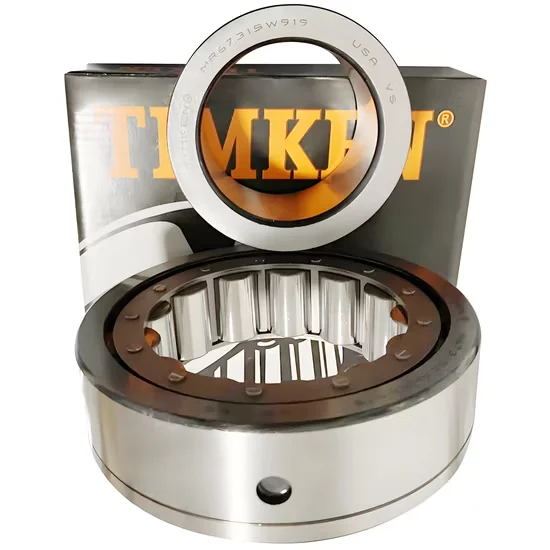
Authentic TIMKEN verification — Every TIMKEN NU220EM cylindrical roller bearing we ship includes scannable QR codes linked to the manufacturer's official authentication app, guaranteeing origin traceability.
Technical Specifications
| Parameter | Value |
|---|---|
| Designation | TIMKEN NU220EM |
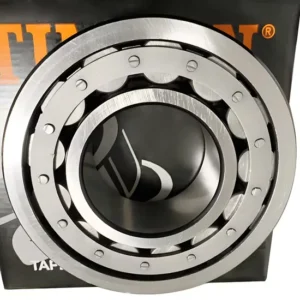
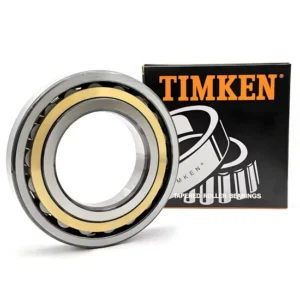
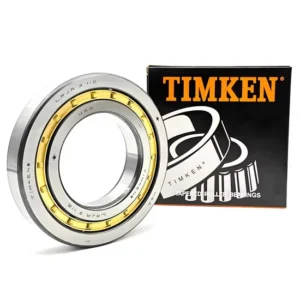
| Bearing Type | Cylindrical Roller Bearing |
| Bore Diameter (d) | 100 mm |
| Outside Diameter (D) | 180 mm |
| Width (B) | 34 mm |
| Cage Material | Machined brass cage |
| Seal or Shield Type | Open |
| Arrangement | Single Row |
| Material | Bearing Steel |
| Origin | America |
Application Suitability
| Industry | Typical Applications |
|---|---|
| Heavy Machinery | Heavy-duty gearboxes |
| Metallurgy | Rolling mills |
| Transportation | Traction motors |
Why Brass Cages Fail Prematurely in TIMKEN NU220EM cylindrical roller bearing Installations
Thermal mismatch and inadequate lubrication destroy machined brass cages long before the rolling elements fatigue.
Walking through heavy industry exhibitions and analyzing failed units from steel plants, I frequently observe maintenance teams blaming the manufacturer when a cage fractures. The root cause almost always traces back to ignoring the specific thermal limits of the brass alloy under extreme radial loads and high ambient heat. Sourcing genuine components is only the first step; matching the internal design and lubrication strategy to the actual operating temperature prevents catastrophic downtime and protects the drivetrain from secondary damage.
Matching the Enhanced Capacity Design to Radial Loads
The TIMKEN NU220EM cylindrical roller bearing utilizes an optimized internal geometry to maximize the contact area between the rollers and raceways. This enhanced capacity design directly addresses the severe radial forces encountered in traction motors and mill stands, distributing stress more evenly across the rolling elements. We consolidate these specific high-load variants alongside mixed-brand project orders, ensuring your heavy equipment receives the exact load-carrying capability required. This logistical flexibility eliminates the bottleneck of coordinating multiple suppliers for complex maintenance overhauls, keeping your critical machinery running without extended procurement delays.
Managing Thermal Expansion and Lubrication Starvation
Open-type cylindrical roller bearings in rolling mills face intense heat radiation and heavy particulate contamination. Without integral seals, the machined brass cage relies entirely on external oil circulation or grease purging to maintain a protective film and dissipate friction heat. If the relubrication interval is miscalculated, the resulting thermal expansion can eliminate internal clearance, leading to roller skidding and severe raceway smearing. Furthermore, the separated design requires precise housing fits; improper mounting tolerances can distort the outer ring, inducing edge loading on the rollers. Proper housing design, external sealing, and strict adherence to mounting procedures are therefore critical to protect the non-aligning bearing structure.
Decoding the E and M Suffixes for Heavy-Duty Reliability
The designation breaks down into critical engineering choices that dictate field performance. The 'E' suffix indicates an enhanced internal design, featuring a higher number of optimally profiled rollers to significantly boost the dynamic load rating compared to standard basic designs. Meanwhile, the 'M' suffix specifies a machined brass cage, which offers superior structural integrity and heat dissipation under heavy radial loads and high vibrations. Unlike pressed steel cages, this solid brass construction maintains precise roller guidance even when subjected to shock loads in gearboxes. Furthermore, the separated design allows the inner ring with the roller and cage assembly to be mounted independently from the outer ring, simplifying installation in tight housings. Selecting the correct combination of these features ensures the bearing survives the rigorous demands of continuous industrial operation, particularly when thermal gradients fluctuate wildly during shift changes.
The Financial Impact of Ignoring Suffix Specifications
Substituting a standard pressed-steel cage for a machined brass variant in high-vibration environments inevitably leads to premature cage fracture. This single component failure triggers unplanned downtime, secondary damage to the shaft and housing, and complete warranty voidance. According to failure analysis frameworks, cage breakage is classified as a critical structural failure that compromises the entire drivetrain. The resulting emergency maintenance costs, lost production hours, and expedited freight charges for replacement parts vastly overshadow any initial savings from selecting a lower-specification alternative. Ignoring the specific suffix requirements ultimately transforms a routine scheduled replacement into a catastrophic plant outage.
Securing Traceable Supply Chains for Critical Spares
Securing traceable supply for the exact TIMKEN NU220EM cylindrical roller bearing requires strict channel verification to avoid counterfeit brass cages that fail under load. We provide complete origin documentation and batch traceability for every unit, ensuring the metallurgical integrity matches the manufacturer's specifications. Our flexible consolidation allows you to mix this specific heavy-duty model with various other sizes in a single shipment, optimizing your freight costs and simplifying customs clearance. Additionally, our technical team cross-references equivalent models to verify clearance and cage material compatibility when substituting during urgent MRO scenarios. This comprehensive sourcing approach guarantees that your rolling mills receive genuine, application-matched components without supply chain bottlenecks, backed by long-term technical support for failure analysis.
Documentation & Authenticity
- Certificate of Conformity validating the enhanced capacity internal geometry and brass cage material.
- Original factory batch tracking linking the specific 100x180x34mm dimensions to the production date.
- Official QR code verification confirming the authentic machined cage construction via the manufacturer's app.
- Material inspection reports confirming the bearing steel metallurgical composition for heavy radial loads.
- Dimensional inspection records verifying the open-type bore and outside diameter tolerances before dispatch.
Storage, Handling & Mounting
- Store the open-type bearing in its original anti-corrosion packaging to prevent moisture ingress on the exposed machined brass cage.
- Use induction heating for the inner ring to ensure proper interference fit without damaging the enhanced capacity roller profiles.
- Keep the separated inner and outer ring components matched and clean to avoid particulate contamination during assembly.
- Apply the specified external lubricant immediately after unsealing to protect the non-aligning rolling elements from initial dry starts.
- Utilize clean cotton gloves when handling the exposed bearing steel raceways to prevent acidic sweat corrosion.
Engineering Data Required for Technical Validation
To accurately validate the suitability of this open-type cylindrical roller bearing for your specific application, please provide the exact radial loads, operating speeds, and thermal conditions. Sharing your OEM equipment model numbers allows our engineering team to perform precise cross-reference checks and verify the required internal clearance class. Supplying these operational parameters ensures we deliver a component that perfectly aligns with your maintenance intervals and load demands, preventing costly misapplications before the equipment even leaves the warehouse.
Frequently Asked Questions
Q: What do the E and M suffixes indicate in this designation?
A: The E suffix denotes an enhanced internal design with optimized roller profiles for higher radial load capacity. The M suffix specifies a machined brass cage, which provides superior durability, heat dissipation, and roller guidance under heavy loads and high vibrations compared to standard pressed steel cages.
Q: How can I verify the authenticity of the supplied components?
A: Every unit includes original factory batch documentation and a scannable QR code. You can verify the authentic machined brass cage and enhanced capacity design directly through the manufacturer's official mobile application, ensuring complete traceability and protecting your equipment from counterfeit failures.
Q: What cross-reference factors matter when substituting this model?
A: When evaluating equivalent models from other premium brands, you must align the internal clearance class, the machined brass cage material, and the enhanced roller profile design. Mismatching any of these parameters can severely compromise the performance in high-load gearboxes or rolling mills.
Q: How should open-type bearings be lubricated in heavy machinery?
A: Since this design lacks integral seals, it relies entirely on external oil circulation or regular grease purging. You must establish a strict relubrication schedule based on your operating temperature and contamination levels to maintain a protective film and prevent thermal seizure of the brass cage.
Same product family
Related Timken Bearings
These bearings share a category with this model, which makes it easier to build a complete repair list.
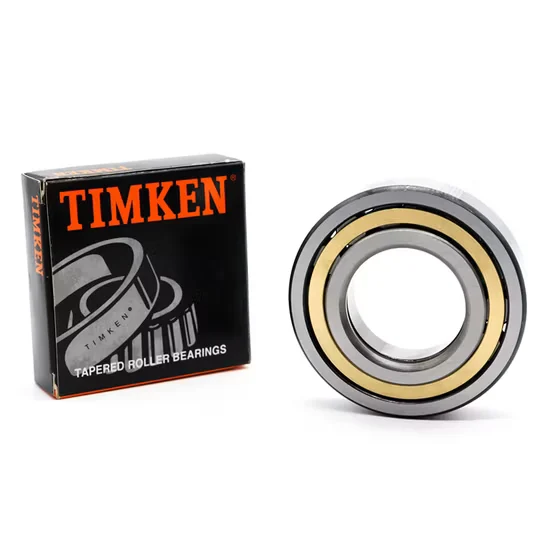 Cylindrical Roller Bearings NU217EM NU218EM NU219EM Cylindrical Roller Bearing Genuine Supplier View Details
 Cylindrical Roller Bearings NU224EM NU226EM NU228EM Cylindrical Roller Bearing Timken NSK NACHI View Details
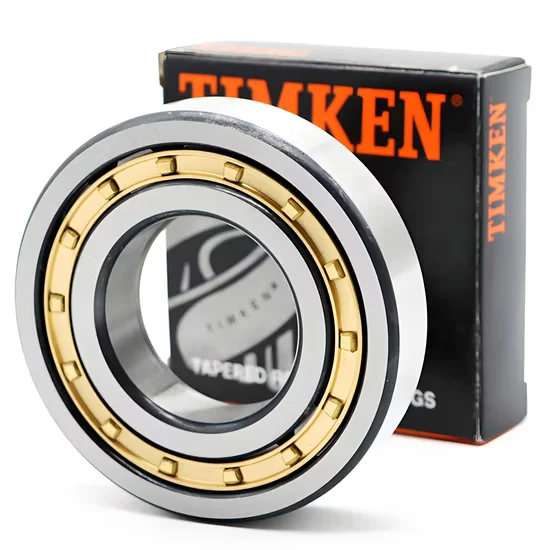 Cylindrical Roller Bearings Timken N2207e Cylindrical Roller Bearing Genuine Supplier View Details
 Cylindrical Roller Bearings Genuine Timken NJ309EM NJ310EM NJ311EM Cylindrical Roller Bearing Wholesale Supply View Details
Where it runs
Applications
This bearing is linked to the repair and equipment settings below. Open each one to see the related product categories and models.
 Heavy Equipment Repair Heavy equipment repair covers bearing positions in final drives, axles, swing assemblies and drivetrain components that run under high radial and axial loads. Shock… Bearings by Industry · Roller Bearings · Tapered Roller Bearings · Inch Size Bearings View Application
 Mining Conveyor Gearboxes Mining operations use spherical, cylindrical and tapered roller bearings in conveyor gearboxes, drive shafts and vibrating screens. These positions face heavy loads, fine abrasive… Mining and Vibrating Screen Bearings · Cylindrical Roller Bearings · Gearbox and Reducer Bearings View Application
One list for inch and metric Timken bearings
Rebuilding a differential, wheel end, gearbox or transmission? Request single replacements or a complete assembly list, and compare the set price with itemized prices.
Send Your Assembly ListTechnical articles
Selection and Identification Guides
These articles support bearing selection and identification for this product type.
Product & Series Guides Sep 24, 2026 HM212049/HM212011 Bearing for Heavy Truck: Wholesale Supplier Verify HM212049/HM212011 bearing specs to prevent heavy truck axle failures and port seizures. Ensure precise inner and outer ring matching alongside flawless customs documentation… Read the Article  Applications & Industries Sep 23, 2026 Tapered Roller Bearings for Lumber Mill Equipment Wholesale Supplier Selecting the right Tapered Bearings in Lumber Mill Equipment requires C3 or C4 internal clearance to prevent thermal seizure during high-speed operations. Combine this… Read the Article
 Buying Guide Sep 23, 2026 Timken Bearings for Lawn and Garden Equipment Wholesale Supplier Prevent costly spindle failures by selecting genuine Timken bearings for lawn and garden equipment that match specific load conditions. Verify authenticity through traceability documentation… Read the Article
Buyer questions
Frequently Asked Questions
Transmission Repairs Company supplies Timken bearings to repair shops, distributors and equipment operators worldwide. These answers cover the points buyers check most often.
Do I need to provide both cone and cup numbers?
Yes, provide both numbers wherever the bearing has a separate cone and cup. Listing each component keeps the cup from being missed on the order. If a number is incomplete, send a clear photo of the markings and state what needs confirming.
Can a substitute be supplied without my approval?
No, any technical change requires buyer approval. A substitute is considered only if it is separately identified. The exact specification and complete assembly are confirmed before you accept the quote.
Which product documents can I request?
Name the product documents you need when you request a quote. The documents for your bearing are confirmed at that stage, alongside the part numbers, quantities and estimated lead time.
How are shipping documents handled?
Shipping documents are confirmed for each order, together with the transport method and dispatch arrangements. Include your destination country and postal code in the request. This also lets you compare total landed cost on bulk orders.
Written quote
Request a Quote for This Bearing
Send your cone and cup numbers or full assembly number, and get a written quote with price, availability, estimated lead time and quote validity.
-
WhatsApp
Chat About This Bearing -
Email
info@usatimken.com