

 Product & Series Guides Sep 24, 2026 HM212049/HM212011 Bearing for Heavy Truck: Wholesale Supplier Verify HM212049/HM212011 bearing specs to prevent heavy truck axle failures and port seizures. Ensure precise inner and outer ring matching alongside flawless customs documentation… Read the Article
Product details
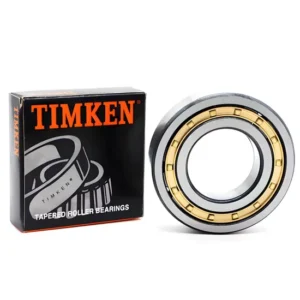
Bearing Description and Use
The notes below help repair managers, engineers and technical buyers match this bearing to the correct position and arrangement.
Cross-reference alignment verified — Dimensional footprint, load ratings, and cage specifications match global equivalents for smooth integration.
Technical Specifications
| Parameter | Value |
|---|---|
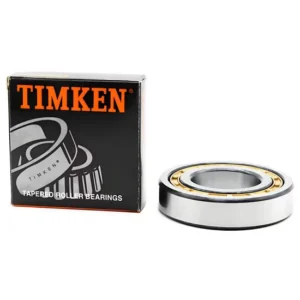
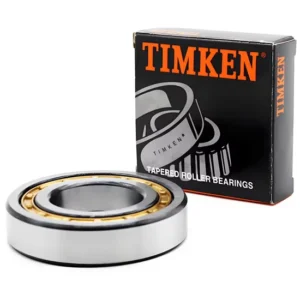
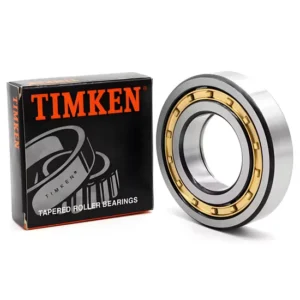
| Designation | NJ309EM |
| Bearing Type | Cylindrical Roller Bearing |
| Bore Diameter (d) | 45 mm |
| Outside Diameter (D) | 100 mm |
| Width (B) | 25 mm |
| Cage Material | Machined brass cage (M suffix) |
| Seal or Shield Type | Open |
| Precision Class | P0, P6, P5, P4, P2 |
| Arrangement | Single Row |
| Material | Bearing steel (standard) or specialized variants |
| Load Direction | Radial Bearing |
Application Suitability
| Industry | Typical Applications |
|---|---|
| Heavy Machinery | Heavy-duty gearboxes, Rolling mills |
| Power Generation | Traction motors, Electric motors |
| Fluid Handling | Industrial pumps |
Why Cage Suffix Errors Destroy Heavy-Duty Gearboxes
Mismatched cage materials trigger catastrophic fatigue under high-vibration radial loads.
Early in my career handling customs documentation for Latin American routes, a shipment of cylindrical roller bearings destined for a Brazilian mine suffered a critical error. The clearance and cage suffixes were not properly verified during customs clearance, resulting in machined brass cages being incorrectly substituted with pressed steel cages. Under high-temperature and high-dust conditions, the steel cages fractured, causing immediate line stoppage. When procuring a TIMKEN NJ309EM cylindrical roller bearing, precise matching of suffixes to the actual operating environment is the only reliable defense against such disasters. Ignoring these details inevitably leads to severe mechanical consequences. Procurement engineers must prioritize suffix verification over mere dimensional checks to avoid these costly operational disruptions.
Matching the Machined Brass Cage to Demanding Environments
In heavy-duty gearboxes and rolling mill applications, equipment constantly endures extreme radial loads and persistent vibration. The TIMKEN NJ309EM cylindrical roller bearing features a machined brass cage, indicated by the M suffix, which demonstrates exceptional fatigue resistance under severe shock loading. Relying on our global supply chain network, we ensure that every single batch comes with complete original factory traceability documents. This rigorous approach eliminates early failures caused by downgraded cage materials right from the source, ensuring your critical machinery operates without unexpected interruptions.
Navigating Thermal Expansion and Lubrication Starvation
The open design allows for flexible selection of grease or oil based on the specific operating environment. In high-temperature scenarios like rolling mills or traction motors, thermal expansion significantly alters internal clearance. If the lubrication cycle is improper or the oil lacks sufficient anti-pollution capabilities, microscopic particle ingress will rapidly accelerate raceway wear. Precisely controlling assembly tolerances and initial clearance is essential to maintain oil film thickness and prevent direct metal-to-metal contact. Neglecting these thermal and lubrication dynamics drastically reduces the operational lifespan of the bearing. Implementing automated condition monitoring can help detect early signs of lubrication breakdown before severe damage occurs.
Decoding the Enhanced Capacity and Cage Design
The E suffix denotes an enhanced capacity design, which significantly increases radial load-carrying capability by optimizing the roller profile and rib contact geometry. The M suffix confirms the presence of a machined brass cage, a material that provides superior guidance and heat dissipation under high speeds and heavy loads, vastly outperforming pressed steel alternatives. The open structure means effective external sealing and lubrication systems must be configured on the equipment side. Precision classes range from P0 to P2, accommodating diverse rotational accuracy requirements from general machinery to precision spindles. Understanding these specific engineering choices ensures the selected component perfectly aligns with your mechanical design parameters. Furthermore, selecting the appropriate precision class prevents excessive vibration that could compromise the structural integrity of the entire assembly. While standard configurations utilize high-purity bearing steel, specialized material variants are available for extreme environments.
The Hidden Financial Drain of Specification Mismatches
Downgrading a machined brass cage to pressed steel, or selecting a standard capacity design when an enhanced one is required, inevitably results in unplanned downtime and catastrophic equipment damage. According to the ISO 281 life calculation framework, cage failure often precedes raceway fatigue, triggering secondary damage to surrounding components. Such specification mismatches not only void manufacturer warranties but also generate exorbitant costs for emergency replacements and production line halts. Recognizing these hidden financial drains emphasizes the critical need for strict adherence to the original engineering specifications during the procurement phase.
Securing Traceability for Critical Suffix Configurations
Addressing the most commonly mismatched cage and clearance suffixes in the NJ series, we implement dual physical verifications during both inbound and outbound logistics. This guarantees that the physical M suffix brass cage perfectly matches the accompanying documentation. Supported by a massive spot inventory covering mainstream global brands, we accommodate flexible purchasing from single emergency spare parts to full container consolidation. Every TIMKEN NJ309EM cylindrical roller bearing is supplied with comprehensive material and dimensional inspection reports, complemented by cross-reference technical consultation to assist engineering teams in executing equivalent model replacements safely and efficiently. We strictly avoid generic substitutions, focusing instead on exact metallurgical and geometric alignment for every shipment.
Documentation & Authenticity
- Certificate of Conformity verifying the exact E and M suffix configuration.
- Original batch traceability records linking the physical bearing to the manufacturer's production facilities.
- Dimensional and running accuracy inspection reports confirming the selected P-class tolerance.
- Material test certificates validating the machined brass cage composition.
Storage, Handling & Mounting
- Store the open-type bearing in its original packaging to prevent moisture ingress before installation.
- Use induction heating for mounting, strictly controlling the temperature to preserve the brass cage integrity.
- Apply clean gloves during handling to avoid contaminating the exposed rolling elements and raceways.
- Ensure the external housing seals are fully functional before introducing the specified oil or grease.
Engineering Data Required for Technical Verification
To guarantee selection accuracy, please provide detailed equipment parameters including radial and axial loads, operating speeds, working temperatures, and installation space constraints. Our engineering team will conduct a thorough L10 life calculation based on these inputs, verifying whether the current suffix configuration satisfies actual operational demands. If a cross-reference replacement is necessary, supplying complete OEM equipment nameplate information allows us to perform precise dimensional and performance equivalence checks, ensuring your machinery maintains optimal reliability without compromising system integrity.
Frequently Asked Questions
Q: How to verify the authenticity of TIMKEN bearings using official traceability documentation?
A: Authenticity is confirmed by cross-referencing the physical bearing markings with the provided Certificate of Conformity and original batch traceability records. We supply complete documentation linking the product to the manufacturer's production facilities, ensuring the E and M suffixes are genuine and fully traceable.
Q: What are the cross-reference considerations when replacing this model with equivalent brands?
A: When cross-referencing to equivalent models from other premium brands, you must verify that the enhanced capacity design and machined brass cage specifications match exactly. Dimensional footprints may align, but internal geometry and cage materials must be validated to prevent premature failure under heavy radial loads.
Q: How to choose the right lubrication for open-type cylindrical roller bearings?
A: For open-type designs, lubrication depends on the operating speed and temperature. High-speed traction motors typically require specialized oil circulation, while heavy-duty gearboxes benefit from high-viscosity grease. Always ensure the external housing seals are intact to prevent contaminant ingress and maintain the protective lubricant film.
Q: What are the installation and induction heating guidelines for bearings with machined brass cages?
A: When using induction heating for installation, strictly monitor the temperature to avoid altering the metallurgical properties of the machined brass cage or the bearing steel rings. Ensure even heating and use appropriate mounting tools to apply force solely to the inner ring, preventing damage to the cage.
Q: How do different precision ratings affect the performance of cylindrical roller bearings?
A: Higher precision classes reduce radial runout and vibration, which is critical for high-speed electric motors and precision machine tools. While standard P0 is sufficient for general heavy-duty gearboxes, selecting P5 or P4 ensures smoother operation, lower noise levels, and extended service life in demanding applications.
Same product family
Related Timken Bearings
These bearings share a category with this model, which makes it easier to build a complete repair list.
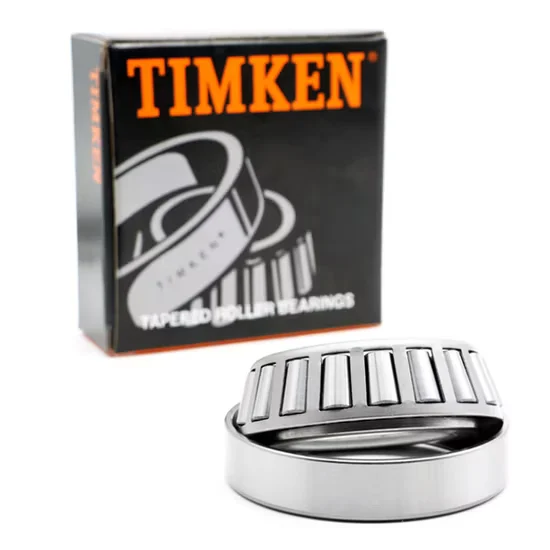 Motorcycle and Bicycle Bearings Genuine TIMKEN 32006 Tapered Roller Bearing for Motorcycle Spare Parts View Details
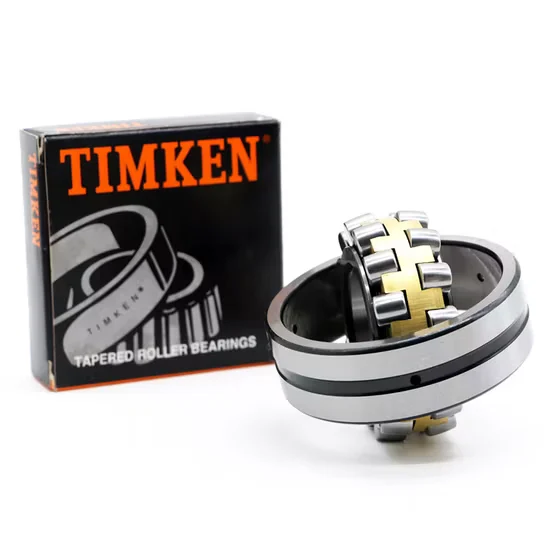 Spherical Roller Bearings NSK Timken 21310eae4-21315eae4 Self-Aligning Roller Bearing View Details
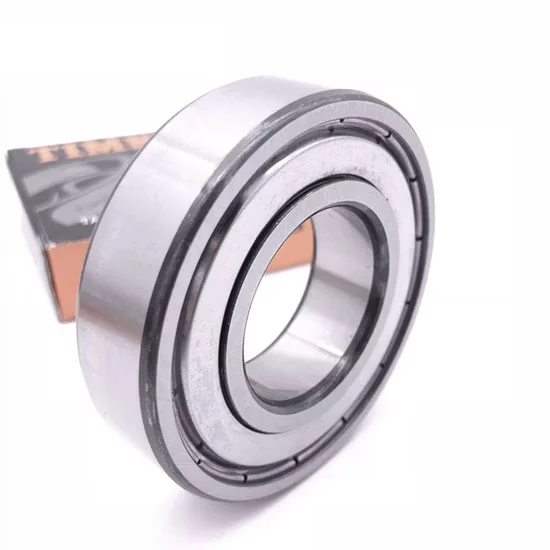 Deep Groove Ball Bearings Genuine Timken 6305 2Z Deep Groove Ball Bearing Wholesale Supplier View Details
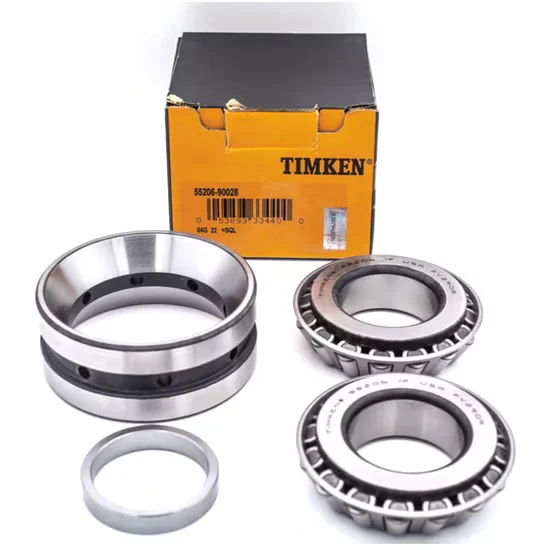 Tapered Roller Bearings TIMKEN 32004 30204 32904 Tapered Roller Bearings Auto Spare Parts Genuine Supply View Details
Where it runs
Applications
This bearing is linked to the repair and equipment settings below. Open each one to see the related product categories and models.
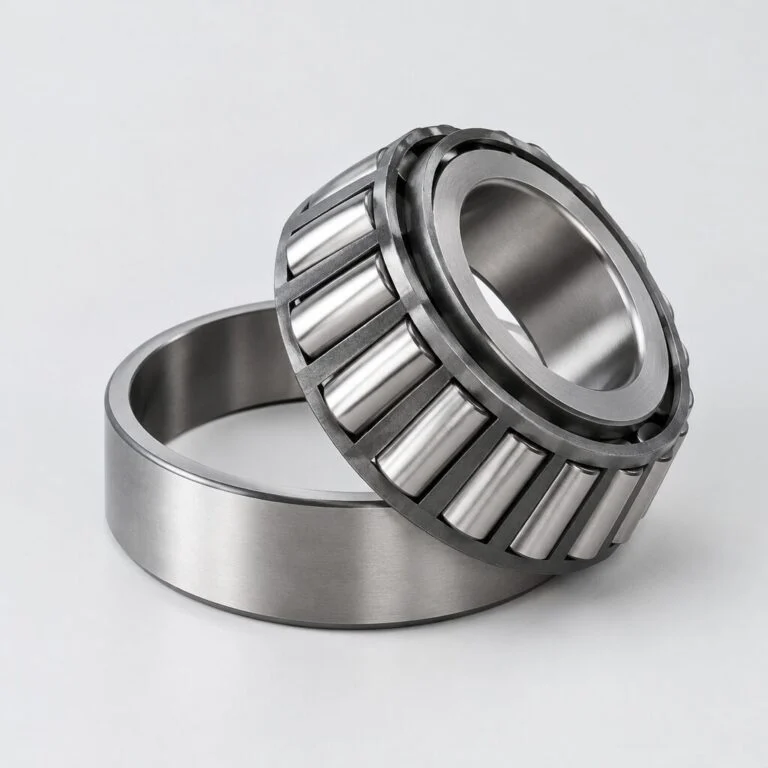 Heavy Equipment Repair Heavy equipment repair covers bearing positions in final drives, axles, swing assemblies and drivetrain components that run under high radial and axial loads. Shock… Bearings by Industry · Roller Bearings · Tapered Roller Bearings · Inch Size Bearings View Application
 Mining Conveyor Gearboxes Mining operations use spherical, cylindrical and tapered roller bearings in conveyor gearboxes, drive shafts and vibrating screens. These positions face heavy loads, fine abrasive… Mining and Vibrating Screen Bearings · Cylindrical Roller Bearings · Gearbox and Reducer Bearings View Application
One list for inch and metric Timken bearings
Rebuilding a differential, wheel end, gearbox or transmission? Request single replacements or a complete assembly list, and compare the set price with itemized prices.
Send Your Assembly ListTechnical articles
Selection and Identification Guides
These articles support bearing selection and identification for this product type.
Product & Series Guides Sep 24, 2026 HM212049/HM212011 Bearing for Heavy Truck: Wholesale Supplier Verify HM212049/HM212011 bearing specs to prevent heavy truck axle failures and port seizures. Ensure precise inner and outer ring matching alongside flawless customs documentation… Read the Article  Applications & Industries Sep 23, 2026 Tapered Roller Bearings for Lumber Mill Equipment Wholesale Supplier Selecting the right Tapered Bearings in Lumber Mill Equipment requires C3 or C4 internal clearance to prevent thermal seizure during high-speed operations. Combine this… Read the Article
 Buying Guide Sep 23, 2026 Timken Bearings for Lawn and Garden Equipment Wholesale Supplier Prevent costly spindle failures by selecting genuine Timken bearings for lawn and garden equipment that match specific load conditions. Verify authenticity through traceability documentation… Read the Article
Buyer questions
Frequently Asked Questions
Transmission Repairs Company supplies Timken bearings to repair shops, distributors and equipment operators worldwide. These answers cover the points buyers check most often.
Do I need to provide both cone and cup numbers?
Yes, provide both numbers wherever the bearing has a separate cone and cup. Listing each component keeps the cup from being missed on the order. If a number is incomplete, send a clear photo of the markings and state what needs confirming.
Can a substitute be supplied without my approval?
No, any technical change requires buyer approval. A substitute is considered only if it is separately identified. The exact specification and complete assembly are confirmed before you accept the quote.
Which product documents can I request?
Name the product documents you need when you request a quote. The documents for your bearing are confirmed at that stage, alongside the part numbers, quantities and estimated lead time.
How are shipping documents handled?
Shipping documents are confirmed for each order, together with the transport method and dispatch arrangements. Include your destination country and postal code in the request. This also lets you compare total landed cost on bulk orders.
Written quote
Request a Quote for This Bearing
Send your cone and cup numbers or full assembly number, and get a written quote with price, availability, estimated lead time and quote validity.
-
WhatsApp
Chat About This Bearing -
Email
info@usatimken.com