
 Product & Series Guides Sep 24, 2026 HM212049/HM212011 Bearing for Heavy Truck: Wholesale Supplier Verify HM212049/HM212011 bearing specs to prevent heavy truck axle failures and port seizures. Ensure precise inner and outer ring matching alongside flawless customs documentation… Read the Article
Product details
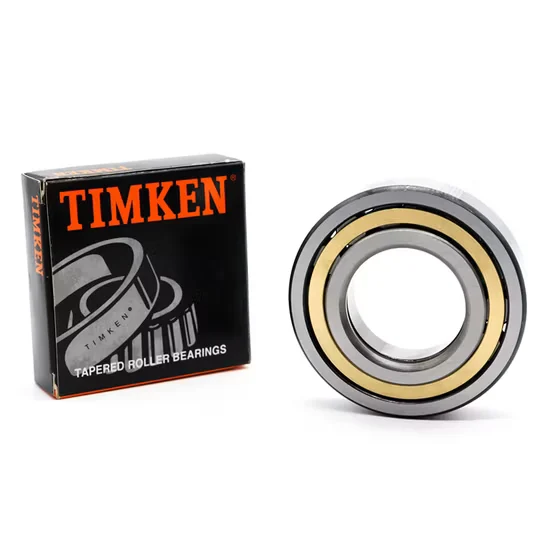
Bearing Description and Use
The notes below help repair managers, engineers and technical buyers match this bearing to the correct position and arrangement.
Cross-Reference Alignment Verified — Dimensional and suffix equivalency for the NU217EM cylindrical roller bearing checked against three major global catalogs before listing.
Technical Specifications
| Parameter | Value |
|---|---|
| Designation | NU217EM |
| Bearing Type | Cylindrical Roller Bearing |
| Bore Diameter (d) | 85 mm |
| Outside Diameter (D) | 150 mm |
| Width (B) | 28 mm |
| Cage Material | Machined Brass (M suffix) |
| Internal Design | Enhanced (E suffix) |
| Seal or Shield Type | Open |
| Lubrication | Oil / Grease / Dry |
| Separated | Separated |
| Load Direction | Radial |
| Material | Bearing Steel |
Application Suitability
| Industry | Typical Applications |
|---|---|
| Steel Mills | Rolling mill work roll and backup roll necks |
| Heavy Equipment | Heavy-duty gearbox shaft support |
| Power Generation | Traction motor rotor support |
Why Standard Clearances Fail in Hot Rolling Mills for the NU217EM cylindrical roller bearing
Thermal expansion demands calculated internal clearance, not default catalog values.
In steel plants across the Middle East, I have seen standard clearance selections lead to catastrophic seizures when ambient desert heat and operational friction combine. Relying on default factory settings without adjusting for the specific thermal profile of the equipment causes the internal gap to close completely under load. When the rolling elements expand faster than the housing can dissipate heat, the bearing locks up, tearing the cage and scoring the shaft. Procurement teams often overlook the thermal gradient between the inner ring and the outer housing, assuming standard classifications are universally safe. This fundamental miscalculation turns a routine maintenance replacement into a critical line stoppage.
Matching the Enhanced Design to High Radial Loads
When dealing with extreme radial forces in heavy-duty gearboxes or rolling mill stands, the NU217EM cylindrical roller bearing provides the necessary structural integrity to withstand continuous operational stress. Its enhanced internal geometry distributes contact stress more evenly across the full length of the rolling elements, effectively preventing localized spalling and edge-loading phenomena. We routinely verify these load capacities against actual site conditions, ensuring the selected configuration handles peak operational shocks without compromising the fatigue life of the component. By focusing on the specific load distribution profile, we prevent the premature degradation that typically plagues standard-capacity alternatives in high-stress industrial environments.
Managing Thermal and Lubrication Challenges in Heavy Industry
Heavy industrial environments subject these critical components to intense heat, heavy particulate contamination, and severe mechanical shock. An open design allows maintenance teams to thoroughly flush the system and apply high-viscosity oil or specialized grease adapted precisely to the operating temperature and speed parameters. Without strict adherence to proper lubrication intervals, the machined brass cage can suffer from accelerated wear due to boundary friction and inadequate heat dissipation. In steel mill applications, airborne scale and moisture constantly threaten the internal geometry, making the external housing seals and regular oil flushing absolutely vital for long-term survival.
Decoding the E and M Suffixes for Operational Stability
The "E" suffix in the NU217EM cylindrical roller bearing indicates an optimized internal design featuring a higher load-carrying capacity, improved roller guidance, and a modified contact profile that reduces edge stresses. Paired with this geometric enhancement, the "M" suffix denotes a machined brass cage, which offers superior structural strength, better thermal conductivity, and exceptional vibration damping compared to pressed steel or polyamide alternatives. This specific combination is absolutely critical for applications experiencing heavy shock loads and high temperatures, as the brass cage maintains precise roller spacing and resists deformation under severe mechanical stress. Furthermore, the open seal type necessitates reliable external sealing solutions but provides the ultimate flexibility to choose the most effective lubrication method for the specific thermal and contamination environment of the plant.
The Financial Impact of Incorrect Clearance and Cage Selection
Selecting a standard clearance for a high-temperature application inevitably leads to thermal seizure, resulting in massive unplanned downtime and lost production revenue. A weaker pressed steel cage might fracture under the severe vibrational stresses typical of rolling mills, causing catastrophic secondary damage to the shaft, housing, and adjacent drivetrain components. These premature failures not only void equipment warranties but also trigger costly emergency shutdowns, extensive collateral repairs, and severe safety hazards for the maintenance crew. The true cost of a mismatched component extends far beyond the initial purchase price, deeply impacting the overall operational efficiency and reliability of the entire production line.
Securing Traceability and Exact Suffix Matching
Sourcing the exact NU217EM cylindrical roller bearing configuration requires much more than just matching the basic outer dimensions; the specific suffix combination must be strictly verified against original engineering drawings. We carefully cross-check the "E" and "M" designations against original manufacturer specifications to prevent the dangerous substitution of lower-capacity or incorrect cage variants. Our dedicated supply chain ensures complete batch traceability, so you receive genuine components with fully documented material certifications rather than unverified, mixed-origin market stock. This rigorous validation process prevents the costly, line-stopping mistakes I witnessed early in my career when incorrect internal designs were inadvertently shipped to critical mill sites.
Documentation & Authenticity
- Certificate of Conformity confirming the exact E and M suffix configuration.
- Original manufacturer batch traceability linking the specific serial number to production records.
- Material inspection report verifying the bearing steel grade and brass cage composition.
- Dimensional and running accuracy inspection confirming P-class tolerances before dispatch.
- Official QR verification code for authenticating the origin of the machined brass cage variant.
Storage, Handling & Mounting
- Store the open-type bearing in its original moisture-barrier packaging until the exact mounting shift to prevent cage corrosion.
- Use induction heating for the inner ring mounting, strictly monitoring the temperature to avoid altering the bearing steel metallurgy.
- Apply clean gloves when handling the machined brass cage to prevent acidic sweat from initiating surface oxidation.
- Ensure the external housing seals are perfectly aligned during assembly to protect the open design from mill scale ingress.
- Flush the lubrication system thoroughly before introducing oil, as the open design offers no built-in contamination barrier.
Preparing Your Technical Data for Selection Review
To ensure the selected configuration perfectly matches your operational demands, please provide the exact radial loads, rotational speeds, steady-state operating temperatures, and any specific shock load profiles. Sharing the OEM equipment model number allows our engineering team to perform a precise cross-reference check and verify the required internal clearance class for your specific thermal gradient. This comprehensive technical review guarantees that the final specification aligns flawlessly with your unique mechanical environment, preventing costly trial-and-error installations and ensuring optimal service life from day one.
Frequently Asked Questions
Q: What do the "E" and "M" suffixes specifically indicate for this model?
A: The "E" suffix designates an enhanced internal geometry optimized for higher radial load capacity and improved roller guidance. The "M" suffix specifies a machined brass cage, providing exceptional structural strength, better heat dissipation, and superior vibration damping under heavy shock loads compared to standard pressed steel cages.
Q: How should lubrication be managed for this open-type design?
A: Since the bearing features an open design without integrated seals, it relies entirely on the housing's external sealing and lubrication system. Maintenance teams must select either oil or grease based on the operating temperature, ensuring regular flushing intervals to remove contaminants and maintain optimal film thickness across the rolling elements.
Q: What cross-reference equivalents exist across major global brands?
A: This specific configuration aligns with equivalent enhanced-design, brass-cage cylindrical roller bearings produced by major international manufacturers. We verify dimensional equivalency and suffix meanings across catalogs to ensure the replacement part matches the original equipment manufacturer's exact load and speed requirements without compromising the mechanical integrity of the assembly.
Q: How do you verify the authenticity and traceability of the supplied components?
A: Every unit is supplied with a Certificate of Conformity and original manufacturer batch traceability documentation. We utilize official verification channels to confirm the exact material composition and production origin, ensuring you receive genuine components rather than unverified or rebranded market stock.
Same product family
Related Timken Bearings
These bearings share a category with this model, which makes it easier to build a complete repair list.
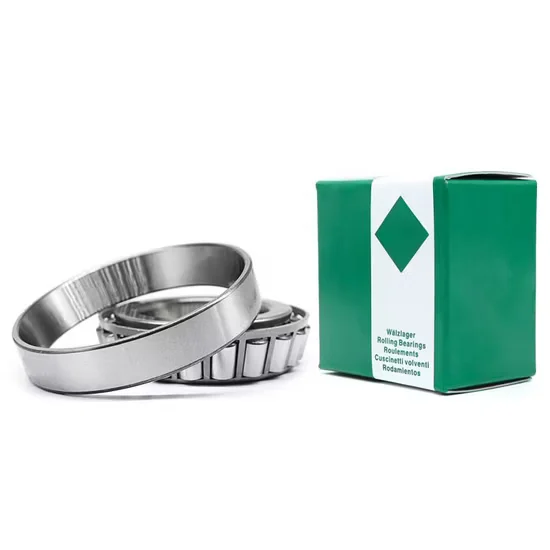 Motorcycle and Bicycle Bearings Genuine TIMKEN 30205 32006X Taper Roller Bearing for Motorcycle Parts HK2016 Axk2035 View Details
 Cylindrical Roller Bearings NJ220EM NJ221EM NJ222EM Cylindrical Roller Bearing Timken NACHI NSK View Details
 Cylindrical Roller Bearings Genuine Timken NJ309EM NJ310EM NJ311EM Cylindrical Roller Bearing Wholesale Supply View Details
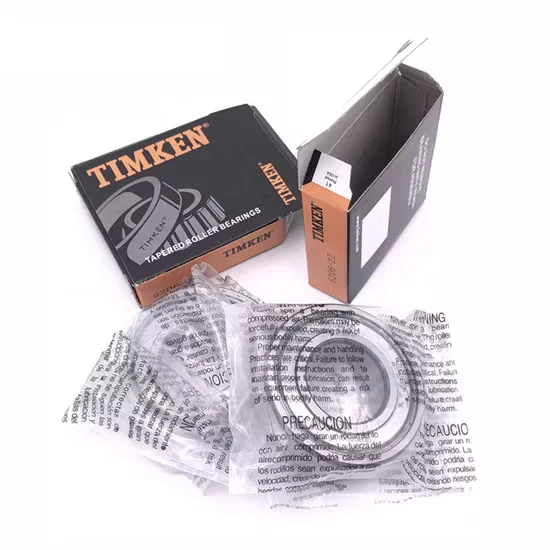 Deep Groove Ball Bearings Genuine NTN Deep Groove Ball Bearing 61910 61910-Z 61910-2z Wholesale Supplier View Details
Where it runs
Applications
This bearing is linked to the repair and equipment settings below. Open each one to see the related product categories and models.
 Heavy Equipment Repair Heavy equipment repair covers bearing positions in final drives, axles, swing assemblies and drivetrain components that run under high radial and axial loads. Shock… Bearings by Industry · Roller Bearings · Tapered Roller Bearings · Inch Size Bearings View Application
 Mining Conveyor Gearboxes Mining operations use spherical, cylindrical and tapered roller bearings in conveyor gearboxes, drive shafts and vibrating screens. These positions face heavy loads, fine abrasive… Mining and Vibrating Screen Bearings · Cylindrical Roller Bearings · Gearbox and Reducer Bearings View Application
One list for inch and metric Timken bearings
Rebuilding a differential, wheel end, gearbox or transmission? Request single replacements or a complete assembly list, and compare the set price with itemized prices.
Send Your Assembly ListTechnical articles
Selection and Identification Guides
These articles support bearing selection and identification for this product type.
Product & Series Guides Sep 24, 2026 HM212049/HM212011 Bearing for Heavy Truck: Wholesale Supplier Verify HM212049/HM212011 bearing specs to prevent heavy truck axle failures and port seizures. Ensure precise inner and outer ring matching alongside flawless customs documentation… Read the Article  Applications & Industries Sep 23, 2026 Tapered Roller Bearings for Lumber Mill Equipment Wholesale Supplier Selecting the right Tapered Bearings in Lumber Mill Equipment requires C3 or C4 internal clearance to prevent thermal seizure during high-speed operations. Combine this… Read the Article
 Buying Guide Sep 23, 2026 Timken Bearings for Lawn and Garden Equipment Wholesale Supplier Prevent costly spindle failures by selecting genuine Timken bearings for lawn and garden equipment that match specific load conditions. Verify authenticity through traceability documentation… Read the Article
Buyer questions
Frequently Asked Questions
Transmission Repairs Company supplies Timken bearings to repair shops, distributors and equipment operators worldwide. These answers cover the points buyers check most often.
Do I need to provide both cone and cup numbers?
Yes, provide both numbers wherever the bearing has a separate cone and cup. Listing each component keeps the cup from being missed on the order. If a number is incomplete, send a clear photo of the markings and state what needs confirming.
Can a substitute be supplied without my approval?
No, any technical change requires buyer approval. A substitute is considered only if it is separately identified. The exact specification and complete assembly are confirmed before you accept the quote.
Which product documents can I request?
Name the product documents you need when you request a quote. The documents for your bearing are confirmed at that stage, alongside the part numbers, quantities and estimated lead time.
How are shipping documents handled?
Shipping documents are confirmed for each order, together with the transport method and dispatch arrangements. Include your destination country and postal code in the request. This also lets you compare total landed cost on bulk orders.
Written quote
Request a Quote for This Bearing
Send your cone and cup numbers or full assembly number, and get a written quote with price, availability, estimated lead time and quote validity.
-
WhatsApp
Chat About This Bearing -
Email
info@usatimken.com