

 Technical Resources Sep 24, 2026 Trailer Bearing Size Chart by Axle Capacity Wholesale Supplier Stop guessing with the Trailer Bearing Size Chart by Axle Capacity and prevent catastrophic axle failure through precise load matching. Learn to calculate dynamic… Read the Article
Product details
Bearing Description and Use
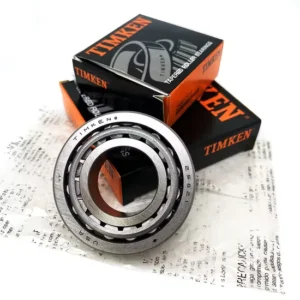
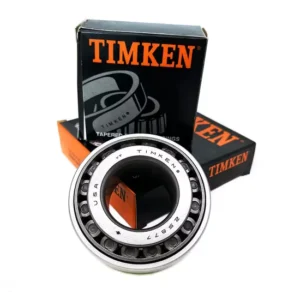
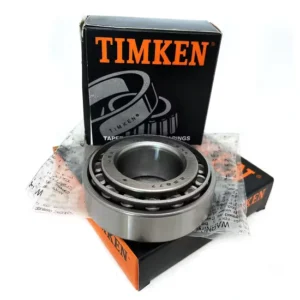
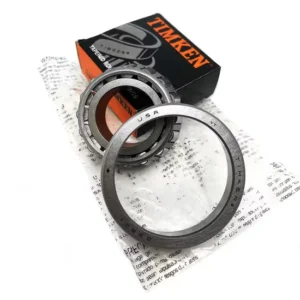
The notes below help repair managers, engineers and technical buyers match this bearing to the correct position and arrangement.
Traceable Batch Origins — Every X&S 32212 tapered roller bearing ships with mill heat numbers linking directly to the steel melt for full material accountability.
Technical Specifications
| Parameter | Value |
|---|---|
| Designation | 32212 |
| Bearing Type | Tapered Roller Bearing |
| Clearance Class | C0 / C2 / C3 / C4 |
| Rolling Body | Roller Bearings |
| Specification | Standard size |
| Origin | Shandong, China |
| Certification | ISO9001, CE |
| HS Code | 8482500090 |
Application Suitability
| Industry | Typical Applications |
|---|---|
| Engineering Machinery | Excavator swing drives and bulldozer final drive assemblies |
| Manufacturing Plant | Heavy-duty conveyor pulley shafts and crusher pinion gears |
| Machinery Repair Shops | MRO replacement for industrial gearboxes and automotive wheel hubs |
Why Standard Clearance Fails in Heavy Earthmoving Equipment
Thermal expansion under continuous high loads demands precise internal clearance selection to prevent cage seizure.
When sourcing an X&S 32212 tapered roller bearing for tropical mining excavators, specifying a standard C0 clearance often leads to catastrophic failures. The intense ambient heat combined with heavy radial and axial forces eliminates internal play, causing the rollers to skid and the cage to bind. Procurement teams frequently overlook these thermal dynamics, resulting in premature downtime that far exceeds the initial component cost. Ignoring the specific thermal profile of the application means the internal geometry will inevitably collapse under sustained operational stress, turning a routine maintenance task into a critical machinery breakdown.
Matching Internal Geometry to Earthmoving Loads
The X&S 32212 tapered roller bearing is engineered to handle the combined radial and thrust loads typical of heavy equipment final drives and swing mechanisms. Its optimized roller profile distributes stress evenly across the raceway, which is critical when excavators encounter sudden shock loads during trenching or heavy lifting operations. By offering multiple clearance classes, we ensure the internal geometry aligns perfectly with the specific thermal and mechanical demands of your machinery. This precise matching prevents localized stress concentrations on the roller ends, significantly extending the operational lifespan of the assembly even under severe continuous duty cycles.
Managing Thermal and Contamination Extremes
Heavy machinery operates in environments where temperature fluctuations and abrasive dust are constant threats to component longevity. Elevated operating temperatures cause the inner ring to expand more than the outer ring, rapidly reducing internal clearance if not properly specified from the start. Furthermore, fine silica dust can infiltrate the housing, accelerating abrasive wear on the rolling elements and degrading the lubricant. Proper seal selection and precise clearance compensation are mandatory to maintain lubrication film thickness and prevent metal-to-metal contact under these severe conditions, ensuring reliable performance throughout the equipment's service interval.
Decoding Clearance Classes for Heavy-Duty Performance
Selecting the right clearance class is the most critical decision when specifying this component for demanding industrial applications. A C0 clearance suits standard ambient temperatures and moderate loads, while C3 provides the necessary extra internal play to accommodate thermal expansion in high-heat environments like steel mills or tropical mining sites. For applications experiencing extreme temperature gradients or heavy interference fits on the shaft, C4 clearance prevents the bearing from tightening up during operation and seizing. Understanding these distinctions ensures the rolling elements maintain optimal load zones without inducing excessive preload or damaging the cage structure during peak operational loads.
The Financial Impact of Incorrect Clearance Selection
Choosing the wrong internal clearance inevitably leads to unplanned downtime and catastrophic damage to surrounding shafts, gears, and housings. When a bearing seizes due to thermal expansion, the resulting friction generates extreme heat that can weld the rollers to the raceway and destroy the cage. This secondary damage converts a simple component replacement into a major assembly rebuild, voiding equipment warranties and halting production lines for extended periods. The true cost of an incorrect specification is never just the price of the replacement part, but the massive revenue lost during emergency repairs.
Securing Reliable Supply Chains for Critical Spares
We maintain massive spot inventory covering thousands of standard part numbers, ensuring urgent MRO requirements for earthmoving equipment are met without delay. Our technical selection support helps verify cross-reference equivalents and clearance requirements, preventing the exact cage seizure issues I frequently diagnose in the field after tropical deployments. Every shipment includes complete traceability documentation, and our flexible consolidation services allow you to mix different bearing sizes and brands in a single container to optimize freight costs. This comprehensive approach guarantees that your maintenance teams always have the exact specifications on hand when critical machinery requires immediate attention.
Verification and Traceability Records
- Mill heat number tracking linking the specific steel melt to the finished bearing components.
- Dimensional and running accuracy inspection reports confirming standard size tolerances before dispatch.
- Certificate of Conformity validating ISO9001 manufacturing compliance for the exact production batch.
- Material hardness testing certificates verifying the load-carrying capacity of the rollers and raceways.
Preservation and Installation Protocols
- Keep the C3 or C4 clearance variants in original packaging until mounting to prevent moisture ingress and corrosion on the raceways.
- Use induction heaters for inner ring installation, strictly monitoring temperature to avoid altering the engineered clearance class.
- Apply clean lint-free gloves when handling the exposed rolling elements to prevent acidic sweat from initiating surface pitting.
- Verify the shaft and housing tolerances match the standard size specification to prevent unintended preload during press-fitting.
Engineering Review and Selection Support
To ensure optimal performance and prevent field failures, please provide the specific radial and axial loads, operating speeds, and ambient temperature ranges for your application. Sharing the original equipment manufacturer part numbers allows our engineering team to perform precise cross-reference checks and verify the required clearance class for your exact operating environment. This technical review guarantees the selected component will withstand your specific operational demands without premature failure, giving your maintenance team absolute confidence in the reliability of the replacement parts installed in your heavy machinery. We also evaluate housing tolerances to ensure the selected clearance will not be compromised during the press-fitting process.
Frequently Asked Questions
Q: How do I determine if my excavator requires a C3 clearance instead of standard C0?
A: C3 clearance is necessary when the operating environment involves high ambient temperatures or when the inner ring is mounted with a heavy interference fit. If your equipment runs in tropical climates or experiences continuous high loads that generate significant internal heat, the extra internal play prevents the rollers from binding and the cage from seizing during thermal expansion.
Q: What are the common cross-reference equivalents for this specific part number?
A: This standard size designation crosses over to several premium global brand equivalents, including 30212 and 32212 variants from manufacturers like SKF, Timken, and NSK. We provide comprehensive cross-reference consultation to match your exact dimensional and load requirements, ensuring direct integration into your existing machinery without modifying the housing or shaft dimensions during the replacement process.
Q: How can I verify the material quality and authenticity before installation?
A: Every unit ships with a Certificate of Conformity and material inspection reports that document the steel heat number and hardness testing results. These documents confirm the manufacturing origin and validate that the rolling elements meet the required load-carrying specifications, providing full traceability from the raw material melt to the final machined product for complete peace of mind.
Q: What is the recommended approach for lubricating this component in dusty environments?
A: In heavily contaminated environments like mining or construction sites, using a high-viscosity grease with excellent sealing properties is critical. Ensure the housing seals are intact to prevent abrasive dust ingress, and follow the equipment manufacturer relubrication intervals to maintain a protective film thickness between the rollers and raceways, preventing premature abrasive wear and extending service life.
Same product family
Related Timken Bearings
These bearings share a category with this model, which makes it easier to build a complete repair list.
 Cylindrical Roller Bearings NU224EM NU226EM NU228EM Cylindrical Roller Bearing Timken NSK NACHI View Details
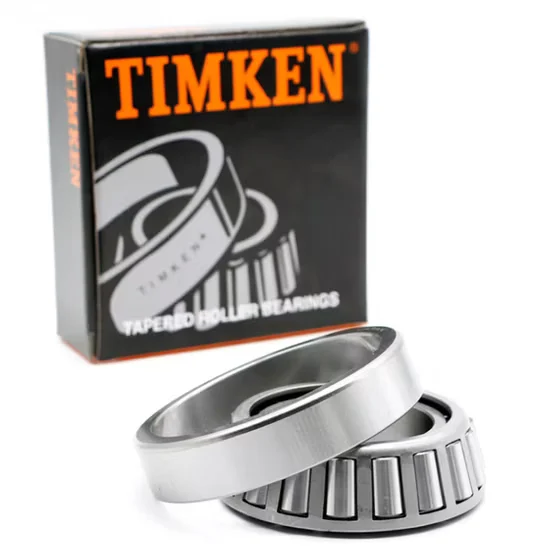 Tapered Roller Bearings Genuine TIMKEN 32008 Tapered Roller Bearing for Car Accessories Wholesale View Details
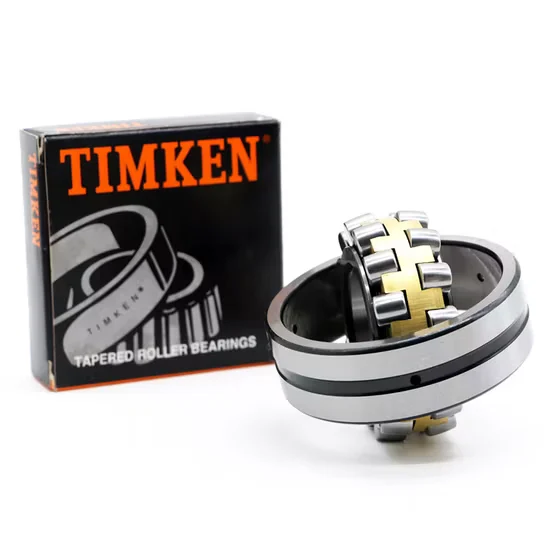 Spherical Roller Bearings NSK Timken 21310eae4-21315eae4 Self-Aligning Roller Bearing View Details
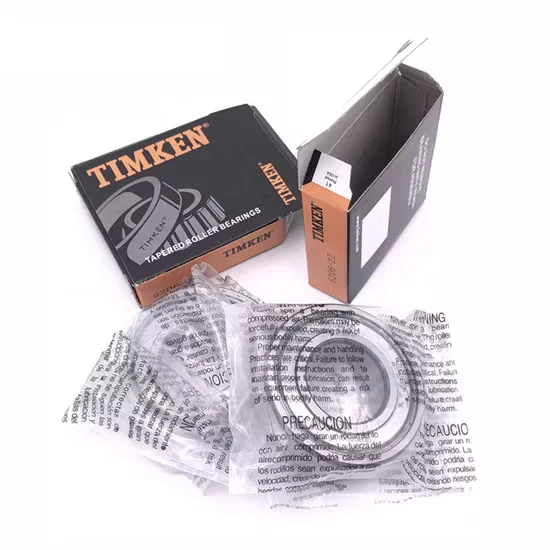 Deep Groove Ball Bearings Genuine NTN Deep Groove Ball Bearing 61910 61910-Z 61910-2z Wholesale Supplier View Details
Where it runs
Applications
This bearing is linked to the repair and equipment settings below. Open each one to see the related product categories and models.
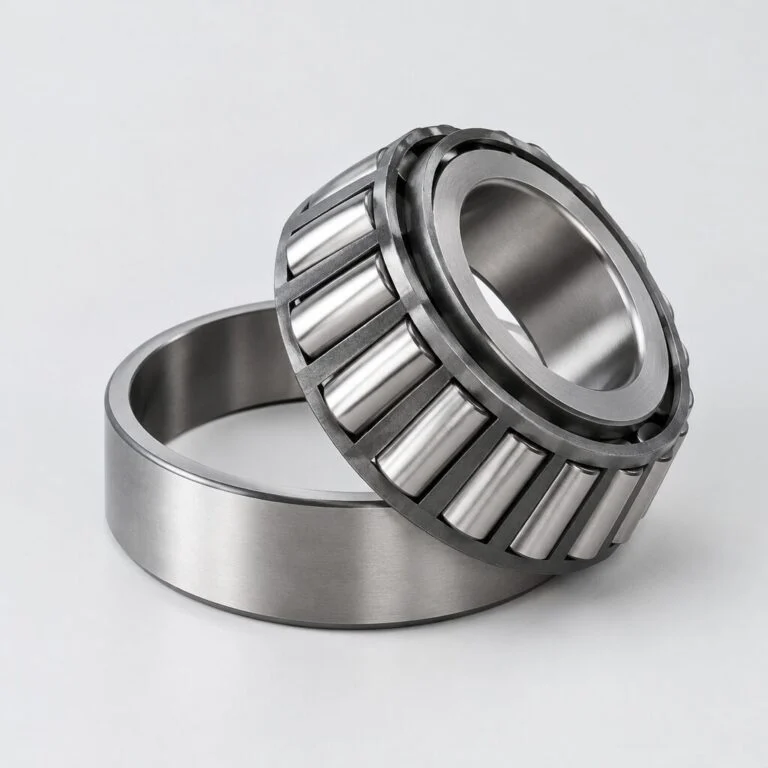 Construction Equipment Fleets Construction fleets use bearings in haul truck wheel ends, final drives, undercarriage components and auxiliary drives. Dust, mud, shock loads and long shifts make… Construction Machinery Bearings · Sealed and Shielded Bearings · High Temperature Bearings View Application
 Heavy Equipment Repair Heavy equipment repair covers bearing positions in final drives, axles, swing assemblies and drivetrain components that run under high radial and axial loads. Shock… Bearings by Industry · Roller Bearings · Tapered Roller Bearings · Inch Size Bearings View Application
One list for inch and metric Timken bearings
Rebuilding a differential, wheel end, gearbox or transmission? Request single replacements or a complete assembly list, and compare the set price with itemized prices.
Send Your Assembly ListTechnical articles
Selection and Identification Guides
These articles support bearing selection and identification for this product type.
Technical Resources Sep 24, 2026 Trailer Bearing Size Chart by Axle Capacity Wholesale Supplier Stop guessing with the Trailer Bearing Size Chart by Axle Capacity and prevent catastrophic axle failure through precise load matching. Learn to calculate dynamic… Read the Article Installation & Maintenance Sep 24, 2026 Unitized Hub Systems Maintenance Intervals: Wholesale Supplier Unitized Hub Systems Maintenance Intervals differ fundamentally from traditional tapered rollers, as frequent greasing destroys factory seals. Shift to condition-based inspection to prevent water… Read the Article 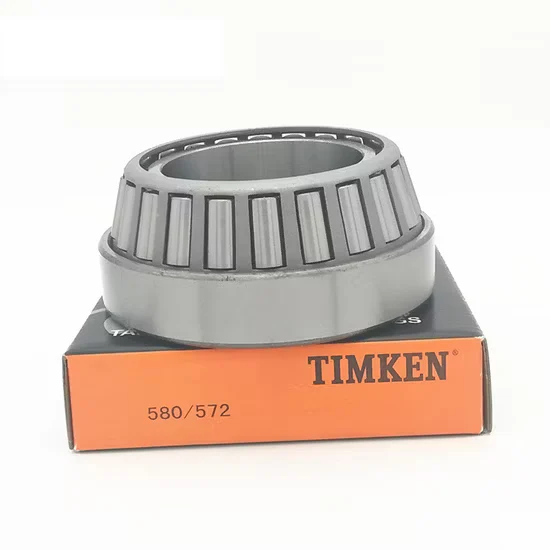 Installation & Maintenance Sep 24, 2026 Oil Bath vs Grease Wheel Hubs: Wholesale Supplier for Bulk Choosing between oil bath vs grease wheel hubs depends on operating conditions, not just theoretical cooling. Grease offers reliability in high-vibration terrain, while oil… Read the Article
Buyer questions
Frequently Asked Questions
Transmission Repairs Company supplies Timken bearings to repair shops, distributors and equipment operators worldwide. These answers cover the points buyers check most often.
Do I need to provide both cone and cup numbers?
Yes, provide both numbers wherever the bearing has a separate cone and cup. Listing each component keeps the cup from being missed on the order. If a number is incomplete, send a clear photo of the markings and state what needs confirming.
Can a substitute be supplied without my approval?
No, any technical change requires buyer approval. A substitute is considered only if it is separately identified. The exact specification and complete assembly are confirmed before you accept the quote.
Which product documents can I request?
Name the product documents you need when you request a quote. The documents for your bearing are confirmed at that stage, alongside the part numbers, quantities and estimated lead time.
How are shipping documents handled?
Shipping documents are confirmed for each order, together with the transport method and dispatch arrangements. Include your destination country and postal code in the request. This also lets you compare total landed cost on bulk orders.
Written quote
Request a Quote for This Bearing
Send your cone and cup numbers or full assembly number, and get a written quote with price, availability, estimated lead time and quote validity.
-
WhatsApp
Chat About This Bearing -
Email
info@usatimken.com