



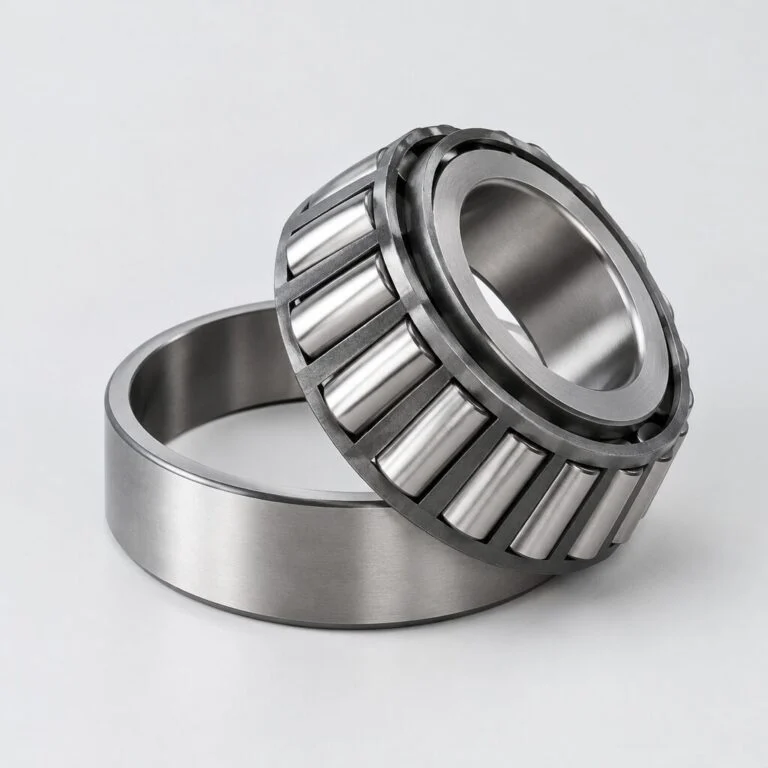
 Product & Series Guides Sep 24, 2026 HM212049/HM212011 Bearing for Heavy Truck: Wholesale Supplier Verify HM212049/HM212011 bearing specs to prevent heavy truck axle failures and port seizures. Ensure precise inner and outer ring matching alongside flawless customs documentation… Read the Article
Product details
Bearing Description and Use
The notes below help repair managers, engineers and technical buyers match this bearing to the correct position and arrangement.
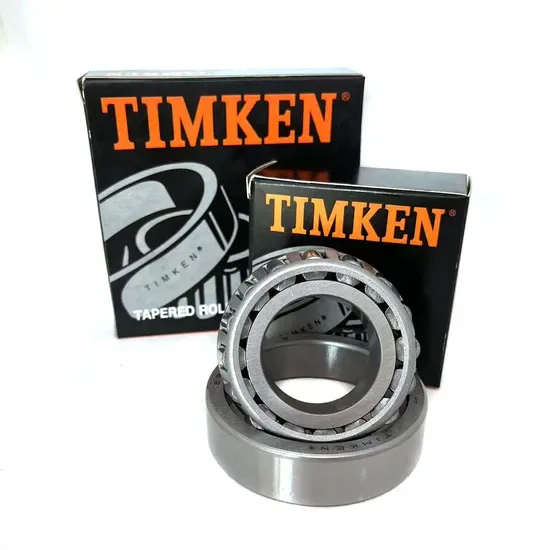
Original Batch Traceability — Every Timken 30203 tapered roller bearing ships with verifiable factory lot documentation to guarantee authenticity and prevent counterfeit risks in critical drivetrains.
Technical Specifications
| Parameter | Value |
|---|---|
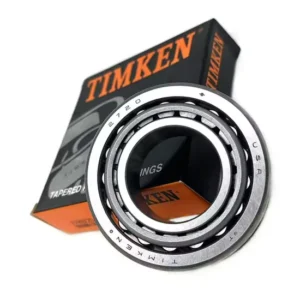
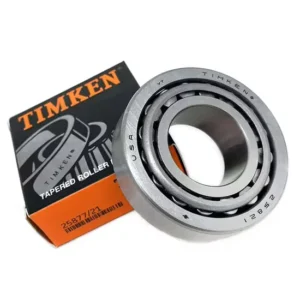
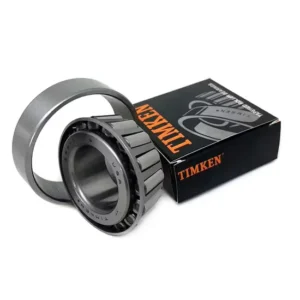
| Designation | Timken 30203 |
| Bearing Type | Tapered Roller Bearing |
| Clearance Class | C0 / C2 / C3 / C4 |
| Rolling Body | Roller Bearings |
| Specification | Standard size |
| Certification | ISO9001, CE |
| Customization | Available |
| Origin | Shandong, China |
Application Suitability
| Industry | Typical Applications |
|---|---|
| Automotive | Automotive transmissions, wheel hub assemblies |
| Industrial Manufacturing | Industrial gearboxes, power transmission units |
| Maintenance & Repair | Machinery repair shops, MRO replacement scenarios |
Thermal Expansion Traps in the Timken 30203 tapered roller bearing
Clearance selection dictates survival when transmission heat alters internal geometry.
Early in my career conducting failure analysis in Shandong, I dismantled an automotive transmission where a standard clearance tapered roller bearing seized completely. The cross-reference matched the basic designation, but ignored the clearance suffix. Under sustained operational heat, thermal expansion eliminated the internal clearance, causing the rollers to skid and ultimately destroy the raceway. This exact scenario remains a frequent pitfall when sourcing replacement parts without verifying the specific thermal requirements of the gearbox.
Matching the Timken 30203 tapered roller bearing to Transmission Loads
Transmissions demand components that handle complex load vectors without compromising rotational smoothness. Our engineering team provides cross-reference consultation to ensure the selected component aligns perfectly with your specific drivetrain architecture. By analyzing the exact radial and axial forces present in your gearbox, we prevent the common mistake of installing undersized or incorrectly specified replacements that lead to premature wear.
Managing Heat and Combined Loads in Gearboxes
Automotive and industrial gearboxes subject internal components to simultaneous radial and axial forces, requiring a geometry that distributes stress evenly across the contact lines. As operational temperatures rise, the lubricant viscosity drops, demanding precise internal clearance to maintain an adequate elastohydrodynamic film thickness. If the initial clearance is too tight, thermal growth will cause the rolling elements to bind; if too loose, excessive vibration accelerates surface fatigue. Proper lubrication intervals and selecting the correct clearance class are therefore non-negotiable for long-term reliability.
Decoding Standard Tapered Roller Geometry
The standard designation without specialized suffixes indicates a conventional tapered roller design with normal clearance and tolerance profiles. This baseline configuration is engineered to manage combined loads effectively by angling the contact lines to intersect at a common apex on the bearing axis. The available clearance classes, ranging from C0 to C4, allow procurement engineers to compensate for specific housing fits and anticipated thermal gradients. A tighter clearance suits applications with minimal heat generation and precise shaft alignment, while expanded clearances accommodate high-speed operations where friction generates substantial internal heat. Available cage options, such as stamped steel, provide adequate strength for moderate-speed transmission environments while minimizing overall weight and rotational inertia.
The Hidden Toll of Incorrect Clearance Selection
Installing a component with mismatched internal clearance inevitably leads to unplanned downtime and catastrophic damage to surrounding gearbox housings. When thermal expansion eliminates internal play, the resulting friction generates localized hot spots that degrade the steel microstructure and cause spalling. According to established failure analysis frameworks, a significant share of premature failures stems directly from improper selection rather than manufacturing defects.
Securing Genuine Components for Critical Drivetrains
Sourcing authentic replacements requires more than just matching the basic part number on a worn component. We supply genuine products with complete traceability documentation, ensuring every unit meets original equipment specifications. Our flexible minimum order quantities accommodate both single-unit emergency repairs and full-container consolidation shipments for large-scale MRO projects. Because cross-referencing often misses critical suffix variations, our technical selection support verifies the exact clearance and tolerance requirements before dispatch. Furthermore, our long-term after-sales technical support includes failure analysis guidance if operational anomalies arise post-installation.
Documentation & Authenticity
- Certificate of Conformity verifying the specific clearance class and tolerance grade.
- Original factory batch traceability linking the unit to its production run.
- Dimensional inspection reports confirming standard tapered geometry before dispatch.
- Material test certificates validating the metallurgical properties of the rings and rollers.
Storage, Handling & Mounting
- Retain the original anti-corrosion coating until mounting to protect the precision-ground raceways.
- Store in a climate-controlled environment to prevent condensation inside the standard clearance gaps.
- Use induction heating for the inner ring to ensure proper interference fit without damaging the rollers.
- Apply clean gloves during handling to prevent moisture transfer onto the exposed stamped steel cage.
- Verify shaft and housing tolerances match the selected clearance class prior to pressing the assembly.
Preparing Your Technical Requirements
To ensure accurate technical review and L10 life calculation, please provide your specific radial and axial load profiles alongside expected operating speeds and temperatures. Sharing the original equipment manufacturer part numbers allows our engineering team to perform a precise cross-reference check. Detailing the installation space constraints and housing materials helps us confirm the optimal clearance class for your specific application.
Frequently Asked Questions
Q: How do I verify the authenticity of the supplied components?
A: We provide comprehensive traceability documentation with every shipment. You can verify the authenticity using official manufacturer applications or by scanning the QR codes on the packaging. Additionally, we supply original factory batch records and dimensional inspection reports that confirm the exact specifications, ensuring you receive genuine products rather than unverified market alternatives.
Q: What are the clearance differences between C0, C2, C3, and C4?
A: C0 represents the standard internal clearance suitable for typical operating conditions. C2 offers reduced clearance for applications requiring high rigidity and minimal vibration. C3 and C4 provide progressively larger internal gaps, which are essential for high-speed gearboxes or environments where significant thermal expansion occurs. Selecting the correct class prevents internal binding when the transmission reaches its normal operating temperature.
Q: Why is it critical to align cross-reference models with exact suffix specs?
A: Matching only the basic designation while ignoring suffix variations is a primary cause of premature failure. A standard clearance component installed in a high-temperature application will expand and seize, causing catastrophic gearbox damage. Exact suffix alignment ensures the internal geometry, clearance, and tolerance perfectly match the thermal and mechanical demands of your specific equipment.
Q: What are the recommended lubrication practices for these transmission components?
A: Standard open designs require external lubrication tailored to the gearbox environment. It is crucial to use the manufacturer-recommended gear oil and maintain strict contamination control during fluid changes. Regular monitoring of oil viscosity and particulate levels prevents abrasive wear on the roller contact lines, thereby extending the operational lifespan of the assembly under combined loading conditions.
Same product family
Related Timken Bearings
These bearings share a category with this model, which makes it easier to build a complete repair list.
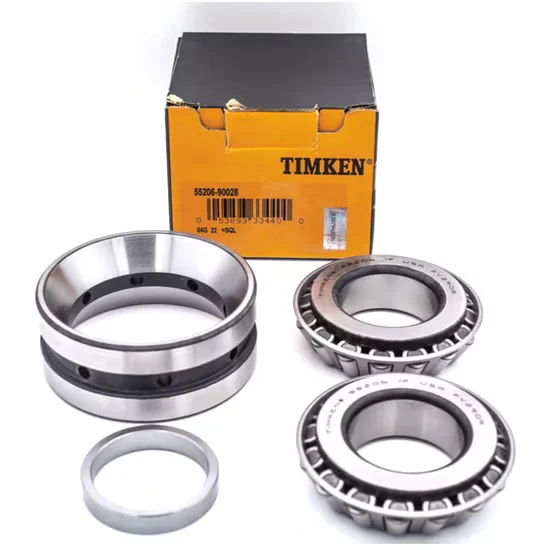 Tapered Roller Bearings TIMKEN 32004 30204 32904 Tapered Roller Bearings Auto Spare Parts Genuine Supply View Details
 Cylindrical Roller Bearings TIMKEN NJ2248EM NJ2252EM NJ2256EM Cylindrical Roller Bearing View Details
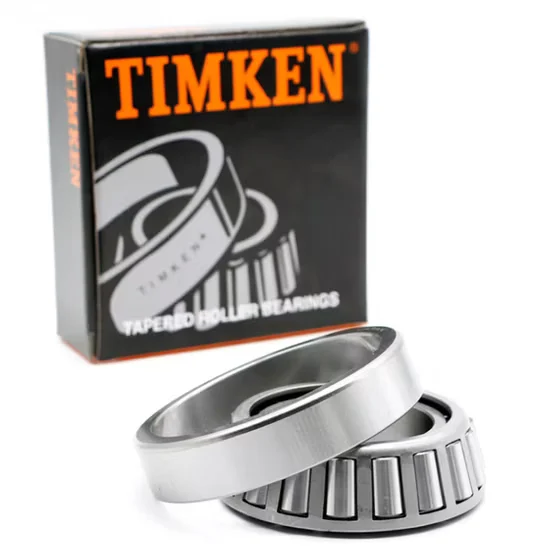 Tapered Roller Bearings Genuine TIMKEN 32008 Tapered Roller Bearing for Car Accessories Wholesale View Details
 Deep Groove Ball Bearings NTN 61902 61902-Z 61902-2Z Deep Groove Ball Bearing Genuine Wholesale Supply View Details
Where it runs
Applications
This bearing is linked to the repair and equipment settings below. Open each one to see the related product categories and models.
One list for inch and metric Timken bearings
Rebuilding a differential, wheel end, gearbox or transmission? Request single replacements or a complete assembly list, and compare the set price with itemized prices.
Send Your Assembly ListTechnical articles
Selection and Identification Guides
These articles support bearing selection and identification for this product type.
Product & Series Guides Sep 24, 2026 HM212049/HM212011 Bearing for Heavy Truck: Wholesale Supplier Verify HM212049/HM212011 bearing specs to prevent heavy truck axle failures and port seizures. Ensure precise inner and outer ring matching alongside flawless customs documentation… Read the Article  Applications & Industries Sep 23, 2026 Tapered Roller Bearings for Lumber Mill Equipment Wholesale Supplier Selecting the right Tapered Bearings in Lumber Mill Equipment requires C3 or C4 internal clearance to prevent thermal seizure during high-speed operations. Combine this… Read the Article
 Buying Guide Sep 23, 2026 Timken Bearings for Lawn and Garden Equipment Wholesale Supplier Prevent costly spindle failures by selecting genuine Timken bearings for lawn and garden equipment that match specific load conditions. Verify authenticity through traceability documentation… Read the Article
Buyer questions
Frequently Asked Questions
Transmission Repairs Company supplies Timken bearings to repair shops, distributors and equipment operators worldwide. These answers cover the points buyers check most often.
Do I need to provide both cone and cup numbers?
Yes, provide both numbers wherever the bearing has a separate cone and cup. Listing each component keeps the cup from being missed on the order. If a number is incomplete, send a clear photo of the markings and state what needs confirming.
Can a substitute be supplied without my approval?
No, any technical change requires buyer approval. A substitute is considered only if it is separately identified. The exact specification and complete assembly are confirmed before you accept the quote.
Which product documents can I request?
Name the product documents you need when you request a quote. The documents for your bearing are confirmed at that stage, alongside the part numbers, quantities and estimated lead time.
How are shipping documents handled?
Shipping documents are confirmed for each order, together with the transport method and dispatch arrangements. Include your destination country and postal code in the request. This also lets you compare total landed cost on bulk orders.
Written quote
Request a Quote for This Bearing
Send your cone and cup numbers or full assembly number, and get a written quote with price, availability, estimated lead time and quote validity.
-
WhatsApp
Chat About This Bearing -
Email
info@usatimken.com