




 Technical Resources Sep 24, 2026 Trailer Bearing Size Chart by Axle Capacity Wholesale Supplier Stop guessing with the Trailer Bearing Size Chart by Axle Capacity and prevent catastrophic axle failure through precise load matching. Learn to calculate dynamic… Read the Article
Product details
Bearing Description and Use
The notes below help repair managers, engineers and technical buyers match this bearing to the correct position and arrangement.
Cross-Reference Alignment Verified — We validate dimensional, clearance, and cage specifications against equivalent models to ensure exact fitment in high-temperature kilns.
Technical Specifications
| Parameter | Value |
|---|---|
| Designation | TIMKEN 22210KEMW33 |
| Bearing Type | Spherical Roller Bearing |
| Bore Diameter (d) | 50 mm |
| Outside Diameter (D) | 90 mm |
| Width (B) | 23 mm |
| Bore Type | 1:12 Tapered Bore |
| Cage Material | Machined Brass |
| Lubrication Feature | Outer Ring Groove and Holes |
| Internal Design | Enhanced Capacity |
| Origin | America |
Application Suitability
| Industry | Typical Applications |
|---|---|
| Metallurgy | Industrial furnace roller table bearings |
| Building Materials | High-temperature rotary kiln support rollers |
| Heavy Manufacturing | Vibrating screen exciter assemblies |
Thermal Expansion Traps and the TIMKEN 22210KEMW33 spherical roller bearing
Selecting the correct internal clearance is the only way to prevent catastrophic seizure when ambient heat transfers into the bearing core.
During a steel mill furnace overhaul, replacing a standard clearance unit where a C3 or C4 was required led to immediate radial expansion and total lockup under load. Misjudging thermal gradients in continuous kiln operations causes a significant share of premature failures. Procurement engineers must prioritize verified clearance classes over generic part numbers to avoid unplanned downtime. The intense radiant heat from the furnace shell transfers directly through the shaft, causing the inner ring to expand faster than the outer ring. If the initial internal clearance is insufficient to absorb this differential expansion, the rolling elements will bind against the raceway. This binding generates massive frictional heat, accelerating the seizure process and ultimately destroying the bearing within hours of startup.
Matching Kiln Environments with Precision Sourcing
Sourcing authentic components for extreme heat requires more than just matching a part number; it demands verifying the exact suffix combination. Our technical team cross-checks the machined brass cage and tapered bore specifications of every TIMKEN 22210KEMW33 spherical roller bearing against the original equipment manual. This rigorous validation ensures that the replacement unit handles the specific thermal and mechanical stresses of your industrial furnace without compromising operational continuity. We frequently encounter situations where maintenance logs specify a generic spherical roller bearing, ignoring the critical suffix details that dictate high-temperature survivability. By enforcing strict suffix verification, we eliminate the risk of installing an under-specified unit that would rapidly degrade under the intense thermal cycling of a rotary kiln or continuous heat treatment line.
Navigating Thermal Gradients and Lubrication Demands
Industrial furnaces subject rotating elements to intense radiant heat, which drastically reduces the viscosity of standard lubricants and alters internal geometries. The W33 lubrication groove and holes become critical here, allowing continuous relubrication to flush out degraded grease and maintain a protective film. Furthermore, the tapered bore design necessitates precise mounting on adapter sleeves to achieve the exact residual clearance needed to accommodate thermal expansion. Neglecting these thermal dynamics inevitably leads to accelerated wear. When the lubricant breaks down due to prolonged exposure to elevated temperatures, the metal-to-metal contact increases exponentially. The W33 feature mitigates this by providing a direct pathway for fresh, high-temperature grease to reach the load zone, effectively purging the oxidized material and extending the service interval significantly beyond what sealed or non-grooved alternatives could achieve.
Decoding the Suffix Architecture for Heavy Loads
The K suffix indicates a 1:12 tapered bore, which simplifies mounting on adapter sleeves while allowing precise adjustment of radial internal clearance during installation. The M suffix designates a machined brass cage, offering superior structural integrity and high-temperature stability compared to stamped steel alternatives, especially under heavy shock loads. Additionally, the E suffix reflects an optimized internal geometry that maximizes load distribution across the rollers, while the W33 feature ensures efficient lubricant flow directly to the raceway contact zones. This combination of features creates a highly resilient assembly capable of withstanding the severe misalignment and heavy radial loads characteristic of industrial furnace roller tables. The enhanced internal design specifically increases the number and size of the rollers, thereby boosting the dynamic load rating and providing a crucial safety margin against the unpredictable shock loads encountered during material processing.
The Hidden Financial Drain of Incorrect Suffix Selection
Substituting a stamped steel cage for a machined brass variant in high-vibration kiln applications often results in cage fragmentation and catastrophic raceway damage. Similarly, ignoring the W33 lubrication feature in continuous operations starves the contact zones, leading to severe spalling and unplanned production halts. These failure modes, categorized under surface fatigue and wear in standard frameworks, void equipment warranties and inflate maintenance budgets far beyond the initial component cost. When a cage fails in an inaccessible furnace section, the resulting downtime requires a complete shutdown of the thermal process, which can take days to safely cool down and restart. The collateral damage to the shaft and housing during a catastrophic seizure further multiplies the repair expenses, turning a minor procurement oversight into a major operational crisis.
Securing Genuine Traceability for Critical Assets
We source directly from authorized channels, ensuring every unit arrives with complete batch traceability documentation to eliminate counterfeit risks. Our inventory includes massive spot stock of the TIMKEN 22210KEMW33 spherical roller bearing and other specific tapered bore configurations, bypassing the typical multi-week lead times associated with direct factory orders. We provide cross-brand equivalent model consultation, verifying that the brass cage and W33 specifications perfectly align with your existing maintenance protocols. Furthermore, our flexible consolidation shipping allows you to mix emergency furnace spares with bulk MRO orders in a single container. This approach not only optimizes freight costs but also guarantees that your critical high-temperature spares are immediately available when an unexpected kiln shutdown occurs. Our technical team remains available post-delivery to assist with failure analysis, ensuring that any future procurement adjustments are backed by solid field data rather than assumptions.
Documentation & Authenticity
- Certificate of Conformity confirming the machined brass cage material grade.
- Original batch traceability records linking the tapered bore unit to its production date.
- Official app QR verification validating the authentic origin of the W33 outer ring.
- Dimensional inspection report verifying the 50x90x23 mm tolerances before dispatch.
Storage, Handling & Mounting
- Retain original VCI packaging until mounting to prevent corrosion on the 1:12 tapered bore surface.
- Use induction heaters with precise temperature control to avoid altering the brass cage metallurgy during fitting.
- Apply clean gloves when handling the W33 outer ring to prevent contaminating the lubrication grooves.
- Verify residual internal clearance after tightening the adapter sleeve lock nut to accommodate furnace heat expansion.
Engineering Review and Procurement Alignment
To ensure optimal performance in your specific thermal environment, please share your operating temperatures, radial loads, and rotational speeds for a comprehensive L10 life recalculation. Providing the original equipment manufacturer part number allows our team to execute a precise cross-reference check, confirming the tapered bore and clearance class match your exact furnace requirements for the TIMKEN 22210KEMW33 spherical roller bearing. This technical alignment guarantees that the selected unit integrates flawlessly into your existing maintenance strategy.
Frequently Asked Questions
Q: How does the machined brass cage perform in high-temperature kiln applications compared to steel cages?
A: Machined brass cages maintain structural rigidity and resist deformation under high thermal loads and heavy vibrations typical in industrial furnaces. Unlike stamped steel alternatives, the solid brass construction prevents cage fragmentation, ensuring continuous roller guidance and significantly reducing the risk of catastrophic seizure when operating near the thermal limits of standard bearing steel.
Q: What are the cross-reference precautions regarding clearance when substituting this model?
A: When cross-referencing, engineers must verify that the replacement unit matches the exact internal clearance class required for the operating temperature gradient. Substituting a standard clearance unit where a C3 is specified will cause thermal expansion to eliminate internal play, leading to excessive friction, rapid temperature spikes, and eventual lockup under continuous kiln operation.
Q: What is the recommended relubrication approach for the W33 feature in continuous operations?
A: The W33 outer ring groove and holes allow lubricant to be injected directly into the raceway contact zones. In continuous heavy-duty furnace applications, maintenance teams should establish regular purging intervals to flush out thermally degraded grease and particulate contaminants, ensuring a fresh protective film is constantly maintained between the rollers and the raceway.
Q: Which mounting practices are required for the tapered bore design?
A: The 1:12 tapered bore requires mounting on a compatible adapter sleeve using precise locknut tightening procedures. Technicians must measure the residual radial internal clearance after mounting to ensure it falls within the manufacturer-specified range, accommodating the thermal expansion that will occur once the industrial furnace reaches its normal operating temperature.
Same product family
Related Timken Bearings
These bearings share a category with this model, which makes it easier to build a complete repair list.
 Cylindrical Roller Bearings Genuine NSK NJ214EM NJ215EM NJ216EM Cylindrical Roller Bearing Wholesale View Details
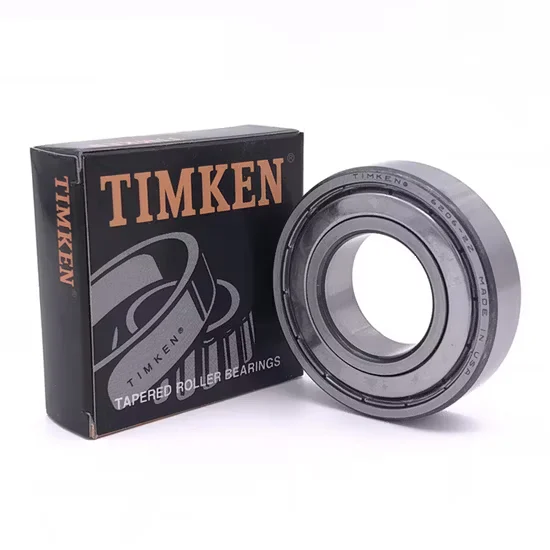 Deep Groove Ball Bearings Timken 6217 Deep Groove Ball Bearing - Wear-Resisting Radial Bearing View Details
 Tapered Roller Bearings Genuine TIMKEN 32303 Tapered Roller Bearings for Automobile Parts View Details
 Deep Groove Ball Bearings NTN 61902 61902-Z 61902-2Z Deep Groove Ball Bearing Genuine Wholesale Supply View Details
Where it runs
Applications
This bearing is linked to the repair and equipment settings below. Open each one to see the related product categories and models.
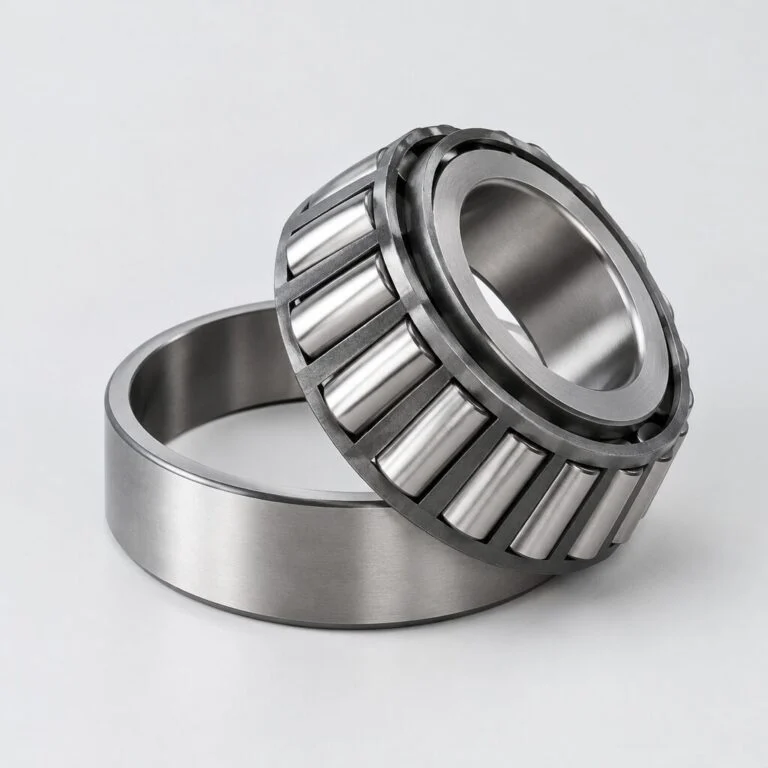 Construction Equipment Fleets Construction fleets use bearings in haul truck wheel ends, final drives, undercarriage components and auxiliary drives. Dust, mud, shock loads and long shifts make… Construction Machinery Bearings · Sealed and Shielded Bearings · High Temperature Bearings View Application
 Heavy Equipment Repair Heavy equipment repair covers bearing positions in final drives, axles, swing assemblies and drivetrain components that run under high radial and axial loads. Shock… Bearings by Industry · Roller Bearings · Tapered Roller Bearings · Inch Size Bearings View Application
 Industrial Power Transmission Industrial drive lines rely on bearings in shaft supports, gear drives and rotating process equipment such as rolling mills, paper machines and wind turbine… Spherical Roller Bearings · Thrust Ball Bearings · Rolling Mill Bearings · Paper Machine Bearings View Application
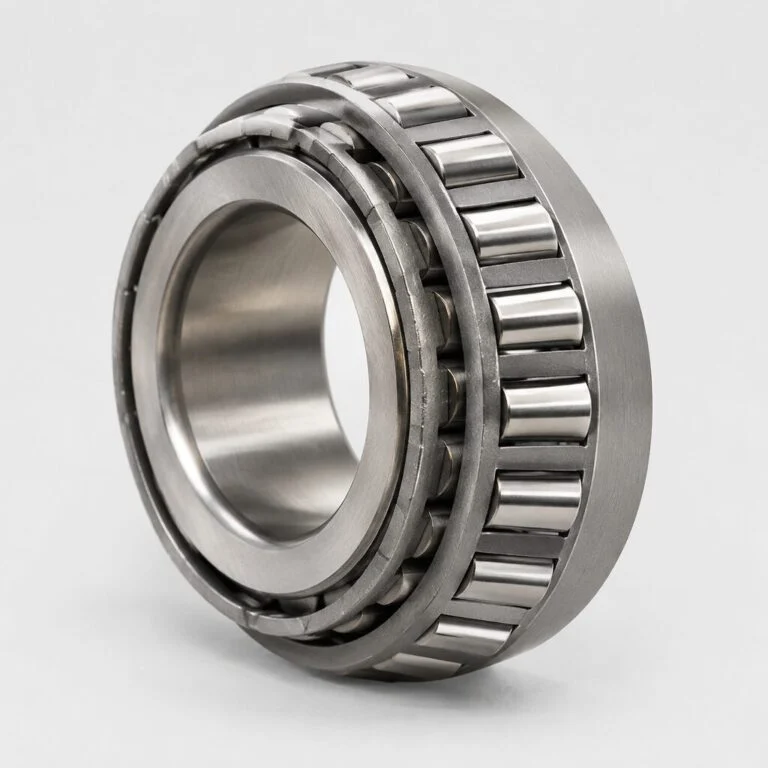 Transmission Rebuilding Transmission and gearbox rebuilders replace bearings on input, output and countershaft positions as complete rebuild sets. Noise, heat and comebacks often trace back to… Special Bearings View Application
One list for inch and metric Timken bearings
Rebuilding a differential, wheel end, gearbox or transmission? Request single replacements or a complete assembly list, and compare the set price with itemized prices.
Send Your Assembly ListTechnical articles
Selection and Identification Guides
These articles support bearing selection and identification for this product type.
Technical Resources Sep 24, 2026 Trailer Bearing Size Chart by Axle Capacity Wholesale Supplier Stop guessing with the Trailer Bearing Size Chart by Axle Capacity and prevent catastrophic axle failure through precise load matching. Learn to calculate dynamic… Read the Article Installation & Maintenance Sep 24, 2026 Unitized Hub Systems Maintenance Intervals: Wholesale Supplier Unitized Hub Systems Maintenance Intervals differ fundamentally from traditional tapered rollers, as frequent greasing destroys factory seals. Shift to condition-based inspection to prevent water… Read the Article 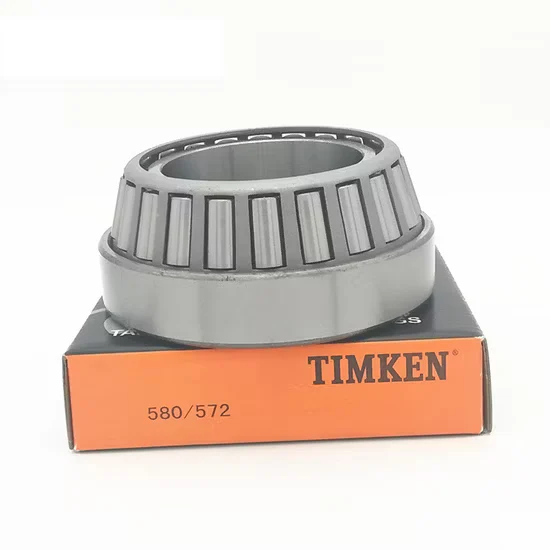 Installation & Maintenance Sep 24, 2026 Oil Bath vs Grease Wheel Hubs: Wholesale Supplier for Bulk Choosing between oil bath vs grease wheel hubs depends on operating conditions, not just theoretical cooling. Grease offers reliability in high-vibration terrain, while oil… Read the Article
Buyer questions
Frequently Asked Questions
Transmission Repairs Company supplies Timken bearings to repair shops, distributors and equipment operators worldwide. These answers cover the points buyers check most often.
Do I need to provide both cone and cup numbers?
Yes, provide both numbers wherever the bearing has a separate cone and cup. Listing each component keeps the cup from being missed on the order. If a number is incomplete, send a clear photo of the markings and state what needs confirming.
Can a substitute be supplied without my approval?
No, any technical change requires buyer approval. A substitute is considered only if it is separately identified. The exact specification and complete assembly are confirmed before you accept the quote.
Which product documents can I request?
Name the product documents you need when you request a quote. The documents for your bearing are confirmed at that stage, alongside the part numbers, quantities and estimated lead time.
How are shipping documents handled?
Shipping documents are confirmed for each order, together with the transport method and dispatch arrangements. Include your destination country and postal code in the request. This also lets you compare total landed cost on bulk orders.
Written quote
Request a Quote for This Bearing
Send your cone and cup numbers or full assembly number, and get a written quote with price, availability, estimated lead time and quote validity.
-
WhatsApp
Chat About This Bearing -
Email
info@usatimken.com