

 Product & Series Guides Sep 24, 2026 HM212049/HM212011 Bearing for Heavy Truck: Wholesale Supplier Verify HM212049/HM212011 bearing specs to prevent heavy truck axle failures and port seizures. Ensure precise inner and outer ring matching alongside flawless customs documentation… Read the Article
Product details
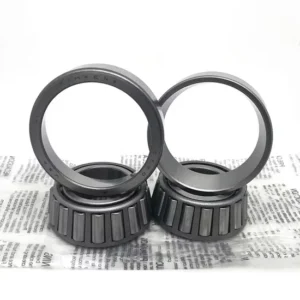
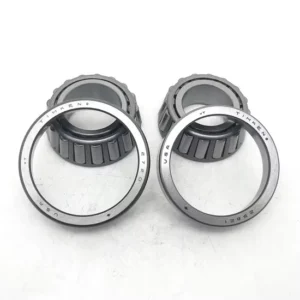
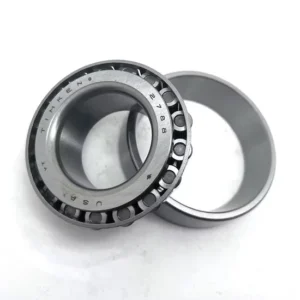
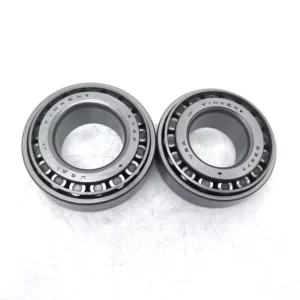
Bearing Description and Use
The notes below help repair managers, engineers and technical buyers match this bearing to the correct position and arrangement.
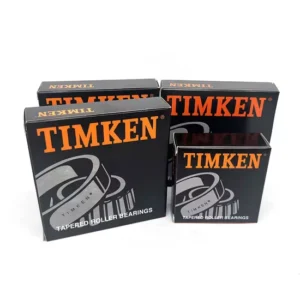
Traceable OEM Batches — Every LM245848/LM245810 544091/544118 LL244549/LL244510 set ships with verifiable manufacturer lot records to guarantee origin authenticity.
Technical Specifications
| Parameter | Value |
|---|---|
| Designation | LM245848/LM245810 544091/544118 LL244549/LL244510 |
| Bearing Type | Tapered Roller Bearing |
| Material | Chrome Steel Gcr15 |
| Clearance Class | C0/C2/C3/C4 |
| Hardness | HRC58-62 |
| Lubrication | Grease or Oil |
| Origin | Shandong, China |
Application Suitability
| Industry | Typical Applications |
|---|---|
| Manufacturing Plant | Heavy-duty conveyor drive shafts |
| Machinery Repair Shops | Industrial gearbox rebuilds |
| Automotive & Transport | Truck axle wheel hubs |
| Marine | Propulsion system marine drives |
Why Ignoring Clearance Tolerances Destroys a Timken LM245848/LM245810 tapered roller bearing
Thermal expansion in high-heat environments quickly eliminates internal clearance, causing catastrophic seizure if the wrong class is selected.
I once inspected a failed production line in Riyadh where a replaced inch-series tapered roller assembly locked up completely within hours. The maintenance crew matched the basic cone and cup numbers but overlooked the necessary clearance adjustment for the elevated ambient temperatures.. This oversight transformed a routine MRO swap into an unplanned shutdown, proving that exact dimensional matching is useless without considering the operational thermal profile. When dealing with heavy machinery, assuming that a standard replacement will automatically survive extreme environmental conditions is a dangerous misconception that inevitably leads to catastrophic mechanical failure and extended production delays.
Aligning Inch-Series Geometry with Heavy Radial and Thrust Loads
When specifying a Timken LM245848/LM245810 tapered roller bearing for gearboxes or axle hubs, the primary focus must be on managing combined loading. Our sourcing network ensures that whether you need a single emergency replacement or a full container of mixed sizes, the exact cone and cup combinations are verified against your specific load vectors. We cross-check the inner and outer ring part numbers to prevent mismatched assemblies that often plague urgent maintenance scenarios. Proper alignment of the thrust and radial forces within the contact angle of the rollers is essential to prevent edge loading, which severely degrades the operational lifespan of the component in demanding industrial environments.
Managing Heat, Contamination, and Lubrication Breakdown
Industrial gearboxes and truck axles subject these components to intense radial forces alongside significant axial thrust, generating substantial internal friction and heat. If the lubrication film breaks down due to inadequate grease selection or oil starvation, the rolling elements will score the raceways rapidly. Furthermore, environments with heavy particulate contamination demand strict sealing protocols, as abrasive dust infiltrating the cage assembly accelerates wear far beyond normal fatigue limits.. Selecting the appropriate clearance class becomes critical when operating temperatures cause the shaft and housing to expand at different rates. Ignoring these thermal dynamics often results in the internal clearance closing completely, transforming a smoothly rotating assembly into a rigid, friction-generating block that destroys adjacent mechanical structures.
Decoding Material Hardness and Clearance Selection
The use of Chrome Steel Gcr15 provides the foundational toughness required for heavy-duty applications, with a standardized hardness reaching HRC58-62 to resist surface deformation under peak loads. However, the most critical specification for this inch-series design is the clearance class, available in C0, C2, C3, and C4 options. A standard C0 clearance might suffice for ambient temperature operations, but high-heat environments mandate a C3 or C4 class to accommodate thermal expansion without inducing preload. Proper lubrication compatibility, whether grease or oil, must also be matched to the chosen clearance to maintain the hydrodynamic film thickness during high-speed rotation. The internal geometry of the rollers and raceways is specifically optimized to distribute stress evenly, ensuring that the material maintains its structural integrity even under severe shock loading conditions typical in mining and construction equipment.
The Operational Price of Mismatched Cups and Cones
Installing an incorrect cup and cone combination or ignoring the required clearance class leads to immediate operational penalties. Misaligned internal geometry causes uneven load distribution, resulting in premature spalling and catastrophic cage failure long before the calculated L10 life is reached. Such failures trigger unplanned downtime, void equipment warranties, and often cause secondary damage to adjacent shafts and housings. Following the failure analysis frameworks outlined in ISO 15243 helps identify these root causes, but preventing them requires rigorous verification before installation. The financial impact extends far beyond the cost of the replacement part itself, encompassing lost production revenue, emergency freight charges for expedited spares, and the labor costs associated with dismantling and reassembling the heavy machinery to rectify the initial installation error..
Securing Authentic Inch-Series Components Across Global Supply Chains
Sourcing genuine OEM parts requires more than just matching a part number on a screen; it demands rigorous verification of the cup and cone pairing, which is the most common error in inch-series replacements. We provide complete traceability documentation for every Timken LM245848/LM245810 tapered roller bearing, ensuring the metallurgical origin is verified. Our flexible MOQ accommodates both single-unit emergency MRO orders and bulk project consolidations, while our technical team offers cross-reference consultation to validate equivalent models like L555249/L555210 when original part numbers are superseded. This comprehensive approach eliminates the risk of receiving mismatched or counterfeit assemblies. By maintaining massive spot inventory covering thousands of standard part numbers, we significantly reduce the lead times typically associated with specialized industrial components, keeping your critical operations running without unnecessary interruptions.
Documentation & Authenticity
- Certificate of Conformity verifying the exact cone and cup pairing for inch-series assemblies.
- Original manufacturer batch traceability records linking the steel heat number to the finished rings.
- Dimensional inspection reports confirming the precise bore and outside diameter tolerances before dispatch.
- Material hardness test certificates validating the HRC58-62 specification for the Chrome Steel Gcr15 components.
- Official origin documentation confirming the manufacturing location for customs and compliance clearance.
Storage, Handling & Mounting
- Keep the cone and cup separated in their original anti-corrosion packaging until the exact moment of installation to prevent rust.
- Use induction heating for the inner ring mounting, strictly monitoring the temperature to avoid altering the HRC58-62 hardness of the Gcr15 steel.
- Verify the selected C3 or C4 clearance class matches the operational thermal expansion profile before pressing the assembly into the housing.
- Apply the specified grease or oil lubrication immediately after mounting to protect the exposed rolling elements from ambient contamination.
- Handle the separated inch-series cups with clean gloves to prevent acidic skin contact from initiating microscopic corrosion on the raceways.
Engineering Data Required for Precise Selection
To ensure the selected assembly perfectly matches your operational demands, please provide the specific radial and axial load values alongside the maximum operating temperature. Sharing the exact shaft and housing dimensional tolerances allows our engineering team to calculate the required clearance class and verify the L10 life expectancy. If you are replacing an existing unit, providing the original equipment manufacturer's assembly drawing or the exact cone and cup part numbers ensures a flawless cross-reference validation. Supplying detailed information regarding the lubrication method and the presence of external contaminants enables us to recommend the most suitable sealing arrangements and maintenance intervals, ultimately securing the long-term reliability of your machinery.
Frequently Asked Questions
Q: How do I verify the correct cup and cone pairing for inch-series tapered roller bearings?
A: Inch-series designs require the inner ring (cone) and outer ring (cup) to be matched precisely. Always verify both part numbers, such as LM245848 with LM245810, rather than relying on a single assembly number. Cross-referencing the exact dimensions and checking the manufacturer's traceability documentation ensures the components will function correctly as a unified load-bearing structure without internal binding.
Q: What is the difference between C0 and C3 clearance in high-temperature gearbox applications?
A: Standard C0 clearance is designed for normal operating temperatures, while C3 provides greater internal space to accommodate thermal expansion. In high-heat environments like industrial gearboxes, using a C0 clearance can lead to internal preload as the shaft expands, causing excessive friction and eventual seizure. Selecting C3 or C4 ensures the bearing maintains optimal internal geometry under elevated thermal loads.
Q: Can I cross-reference L555249/L555210 as a direct replacement for this specific application?
A: While L555249/L555210 is listed as a cross-reference, direct substitution depends on the exact load ratings, boundary dimensions, and internal geometry of your specific housing. Always consult the technical selection support team to verify that the alternative part number matches the required dynamic load capacity and mounting envelope before finalizing the replacement order.
Q: How does the choice between grease and oil lubrication affect bearing longevity?
A: Grease is typically preferred for sealed or low-maintenance applications where contamination exclusion is critical, while oil lubrication offers superior heat dissipation for high-speed or heavily loaded gearboxes. The correct choice depends on the operating speed, ambient temperature, and the housing's ability to retain the lubricant, directly impacting the fatigue life and wear resistance of the rolling elements.
Same product family
Related Timken Bearings
These bearings share a category with this model, which makes it easier to build a complete repair list.
 Cylindrical Roller Bearings Timken NACHI NSK NU321EM NU322EM NU324EM Cylindrical Roller Bearing View Details
 Deep Groove Ball Bearings Genuine NTN Deep Groove Ball Bearing 61910 61910-Z 61910-2z Wholesale Supplier View Details
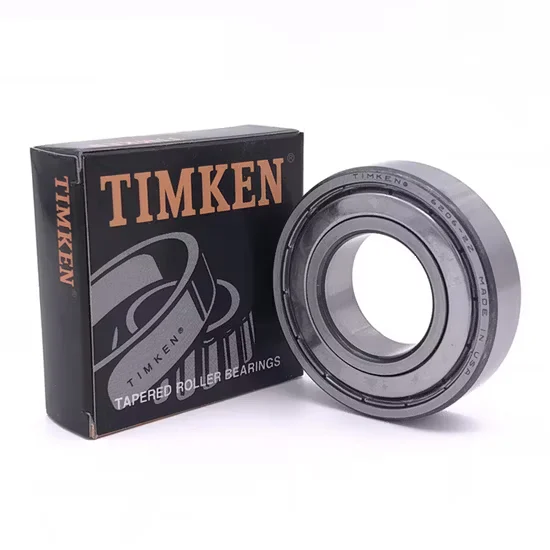 Deep Groove Ball Bearings Timken 6217 Deep Groove Ball Bearing - Wear-Resisting Radial Bearing View Details
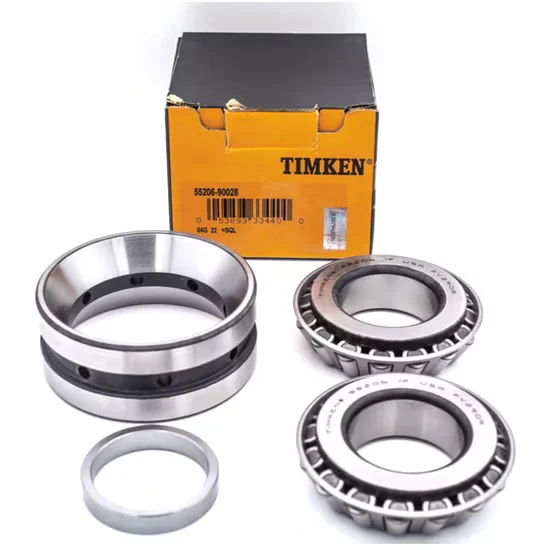 Tapered Roller Bearings TIMKEN 32004 30204 32904 Tapered Roller Bearings Auto Spare Parts Genuine Supply View Details
Where it runs
Applications
This bearing is linked to the repair and equipment settings below. Open each one to see the related product categories and models.
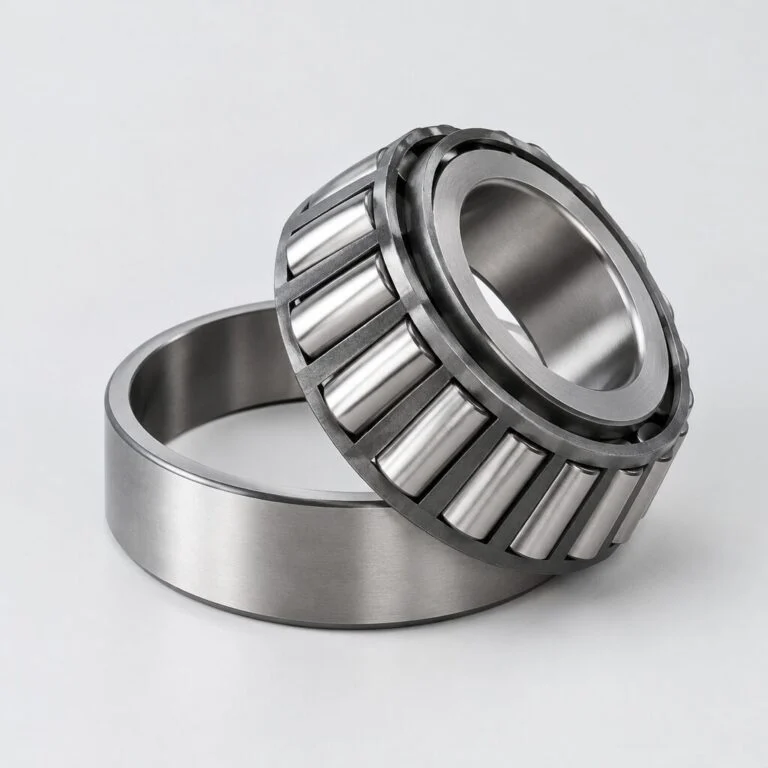 Heavy Equipment Repair Heavy equipment repair covers bearing positions in final drives, axles, swing assemblies and drivetrain components that run under high radial and axial loads. Shock… Bearings by Industry · Roller Bearings · Tapered Roller Bearings · Inch Size Bearings View Application
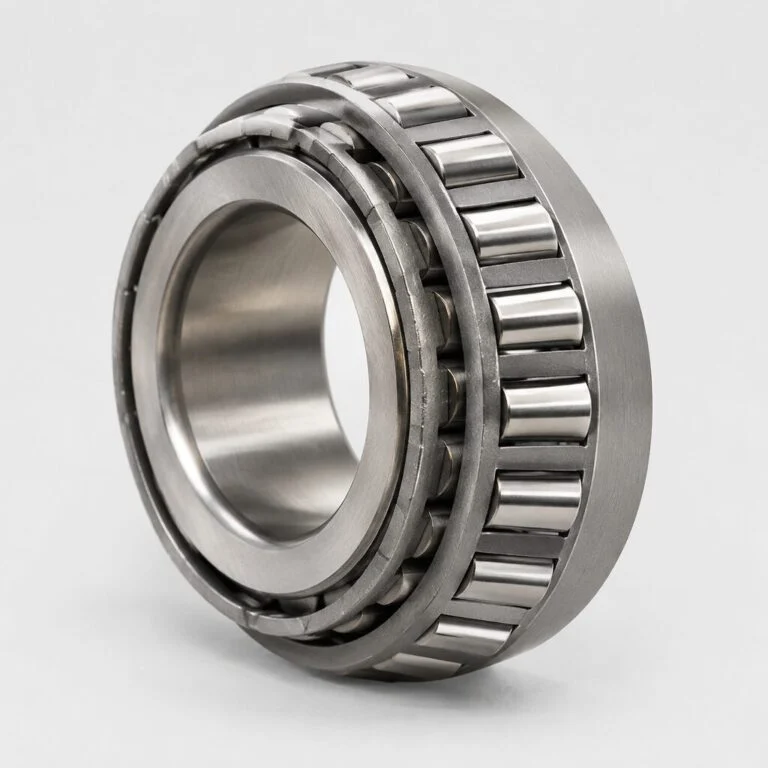 Transmission Rebuilding Transmission and gearbox rebuilders replace bearings on input, output and countershaft positions as complete rebuild sets. Noise, heat and comebacks often trace back to… Special Bearings View Application
One list for inch and metric Timken bearings
Rebuilding a differential, wheel end, gearbox or transmission? Request single replacements or a complete assembly list, and compare the set price with itemized prices.
Send Your Assembly ListTechnical articles
Selection and Identification Guides
These articles support bearing selection and identification for this product type.
Product & Series Guides Sep 24, 2026 HM212049/HM212011 Bearing for Heavy Truck: Wholesale Supplier Verify HM212049/HM212011 bearing specs to prevent heavy truck axle failures and port seizures. Ensure precise inner and outer ring matching alongside flawless customs documentation… Read the Article  Applications & Industries Sep 23, 2026 Tapered Roller Bearings for Lumber Mill Equipment Wholesale Supplier Selecting the right Tapered Bearings in Lumber Mill Equipment requires C3 or C4 internal clearance to prevent thermal seizure during high-speed operations. Combine this… Read the Article
 Buying Guide Sep 23, 2026 Timken Bearings for Lawn and Garden Equipment Wholesale Supplier Prevent costly spindle failures by selecting genuine Timken bearings for lawn and garden equipment that match specific load conditions. Verify authenticity through traceability documentation… Read the Article
Buyer questions
Frequently Asked Questions
Transmission Repairs Company supplies Timken bearings to repair shops, distributors and equipment operators worldwide. These answers cover the points buyers check most often.
Do I need to provide both cone and cup numbers?
Yes, provide both numbers wherever the bearing has a separate cone and cup. Listing each component keeps the cup from being missed on the order. If a number is incomplete, send a clear photo of the markings and state what needs confirming.
Can a substitute be supplied without my approval?
No, any technical change requires buyer approval. A substitute is considered only if it is separately identified. The exact specification and complete assembly are confirmed before you accept the quote.
Which product documents can I request?
Name the product documents you need when you request a quote. The documents for your bearing are confirmed at that stage, alongside the part numbers, quantities and estimated lead time.
How are shipping documents handled?
Shipping documents are confirmed for each order, together with the transport method and dispatch arrangements. Include your destination country and postal code in the request. This also lets you compare total landed cost on bulk orders.
Written quote
Request a Quote for This Bearing
Send your cone and cup numbers or full assembly number, and get a written quote with price, availability, estimated lead time and quote validity.
-
WhatsApp
Chat About This Bearing -
Email
info@usatimken.com