

 Product & Series Guides Sep 24, 2026 HM212049/HM212011 Bearing for Heavy Truck: Wholesale Supplier Verify HM212049/HM212011 bearing specs to prevent heavy truck axle failures and port seizures. Ensure precise inner and outer ring matching alongside flawless customs documentation… Read the Article
Product details
Bearing Description and Use
The notes below help repair managers, engineers and technical buyers match this bearing to the correct position and arrangement.
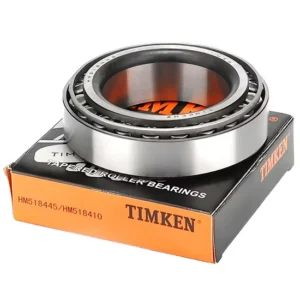
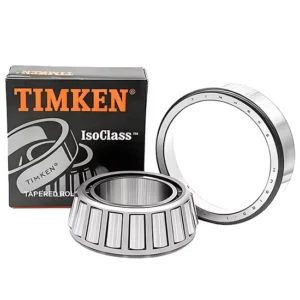
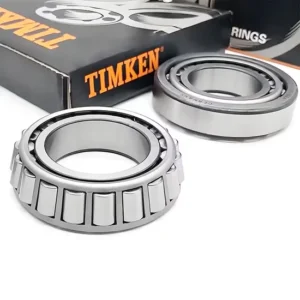
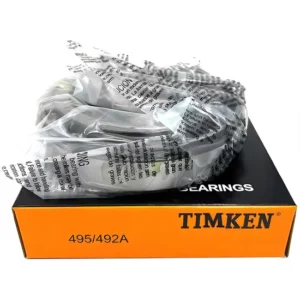
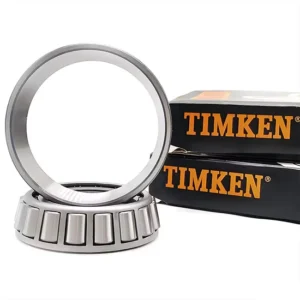
Original Batch Traceability — Every TIMKEN 31316 32316 32917 32017 tapered roller bearing ships with manufacturer lot codes for full lifecycle tracking.
Technical Specifications
| Parameter | Value |
|---|---|
| Product Type | Tapered Roller Bearing |
| Designation | TIMKEN 31316 32316 32917 32017 |
| Lubrication | Grease or Oil |
| Precision Class | P0, P6, P5, P4, P2 |
| Vibration Level | Z1V1, Z2V2, Z3V3 |
| Origin | Germany |
| Certification | ISO 492 |
Application Suitability
| Industry | Typical Applications |
|---|---|
| Automotive & Commercial Vehicles | Wheel hubs and truck axles subjected to combined radial and axial loads |
| Industrial Machinery | Heavy-duty gearboxes requiring high rigidity and precise shaft alignment |
| Marine & Heavy Equipment | Marine drives and construction machinery operating under extreme shock loads |
Why Thermal Expansion Destroys Heavy-Duty TIMKEN 31316 32316 32917 32017 tapered roller bearing Assemblies
Ignoring internal clearance shifts under extreme heat turns perfectly machined steel into a seized, catastrophic failure point.
During my years handling field failures in Middle Eastern desert environments, I witnessed a massive haul truck grind to a halt because the internal clearance was mismatched for the ambient heat. The maintenance team installed standard clearance units where expanded clearance was mandatory, causing the rolling elements to bind as temperatures spiked. A significant share of premature failures in heavy machinery stems from this exact thermal miscalculation. When specifying components for high-temperature zones, verifying the thermal expansion coefficient against the operational envelope is non-negotiable. The friction generated by heavy axial loads further elevates the internal temperature, compounding the thermal growth of the shaft and housing. If the initial clearance is insufficient to absorb this combined thermal expansion, the rollers will skid against the raceway, generating excessive heat and ultimately welding the components together in a matter of minutes.
Matching Tapered Geometry to Complex Load Profiles
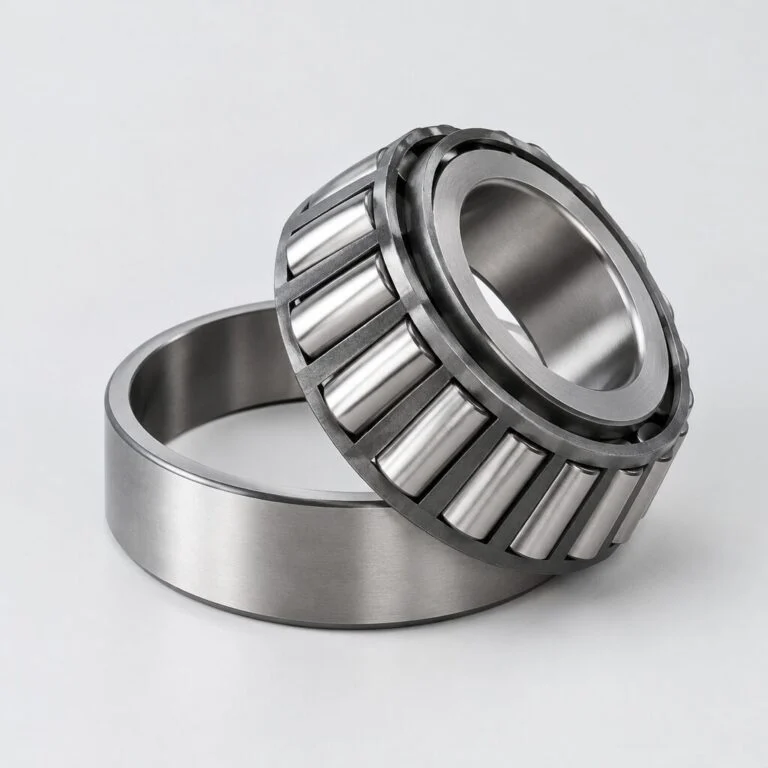
The conical internal geometry of a TIMKEN 31316 32316 32917 32017 tapered roller bearing inherently resolves combined radial and axial forces into a single rolling vector. This structural advantage prevents the skidding and edge-loading that rapidly destroy standard ball bearings in truck axles and industrial gearboxes. By directing the load lines through the apex of the cone, the design ensures pure rolling motion even under severe shock loading conditions. Our engineering team cross-references your specific load vectors to ensure the contact angle and roller profile perfectly align with the drivetrain's operational demands, preventing localized stress concentrations that lead to spalling and premature fatigue.
Navigating Desert Heat and Shock Loading
Heavy equipment operating in arid or high-friction environments faces severe thermal gradients that directly compromise lubricant viscosity and internal clearance. When shock loads from construction machinery* must maintain adequate thickness to prevent metal-to-metal contact between the rollers and the raceway. Selecting between grease and oil lubrication depends entirely on the rotational speed and the cooling requirements of the housing. Neglecting the thermal limits of standard lubricants leads to rapid cage degradation and eventual seizure. Furthermore, the ingress of fine desert sand or industrial dust requires robust sealing solutions that do not introduce excessive friction, balancing contamination exclusion with the thermal constraints of the application.
Decoding Precision and Vibration Tolerances
Selecting the correct precision class—from standard P0 up to ultra-precise P2—dictates the rotational accuracy and noise profile of the assembly. For high-speed marine drives or precision gearboxes, tighter P4 or P2 tolerances minimize shaft runout and prevent resonant vibration that could damage adjacent seals and gears. The accompanying vibration levels, graded as Z1V1 through Z3V3, indicate the strictness of the manufacturer's quality control regarding surface finish and roller spacing. Upgrading to a Z3V3 grade substantially reduces acoustic emissions and dynamic stress on the housing, extending the overall fatigue life of the surrounding mechanical structure. These stringent manufacturing controls ensure that the load is distributed evenly across all rolling elements, eliminating the localized overloading that triggers early subsurface cracking.
The Financial Drain of Premature Seizure
Deploying an under-specified component in a critical drivetrain inevitably triggers a cascade of secondary mechanical damage. When a bearing seizes due to thermal binding or inadequate load capacity, the resulting torque spike can fracture gear teeth, warp shafts, and destroy expensive housings. These catastrophic failures void equipment warranties and force extended operational shutdowns that cost substantially more than the replacement parts. Adhering to standardized failure analysis frameworks helps procurement teams identify the root causes of these expensive breakdowns before they recur. Proactive specification reviews prevent the hidden costs associated with emergency air freight, overtime labor, and lost production revenue during critical project phases.
Securing Authentic Components for Critical Drivetrains
Sourcing genuine heavy-duty components requires more than just checking a part number; it demands rigorous verification of internal clearances and metallurgical integrity. We maintain massive spot inventory covering these specific series, allowing us to fulfill both single-unit emergency orders and full container consolidations without delay. Our technical staff actively reviews your clearance selections to prevent the exact thermal binding mistakes I encountered in the field, ensuring the specified clearance matches the actual operating temperature. Every shipment includes complete traceability documentation, ensuring you receive authentic products directly from the manufacturer's production facilities rather than unverified secondary markets. This rigorous validation process protects your capital equipment from the devastating consequences of counterfeit or reconditioned parts entering your maintenance supply chain.
Documentation & Authenticity
- Certificate of Conformity validating the German origin and ISO 492 compliance for each shipment.
- Original manufacturer batch traceability codes linking the steel heat number to the final assembly.
- Dimensional and running accuracy inspection reports confirming P4 or P2 tolerances before dispatch.
- Material testing certificates verifying the metallurgical composition of the rollers and raceways.
Storage, Handling & Mounting
- Store the units in original packaging to protect the factory-applied rust preventative from high-humidity marine environments.
- Use induction heaters for mounting; open flames cause localized softening that ruins the P0 to P2 precision raceway hardness.
- Verify the internal clearance with feeler gauges after mounting to ensure thermal expansion allowances remain intact.
- Apply clean gloves during handling to prevent acidic sweat from corroding the highly polished Z3V3 grade roller surfaces.
Engineering Review Before Procurement
To guarantee optimal performance and avoid costly field failures, please share your specific radial and axial load calculations, operating temperatures, and shaft speeds. This data allows our technical team to perform a comprehensive L10 life calculation and verify the appropriate internal clearance class for your exact environment. Providing the original equipment manufacturer's drawing numbers also enables precise cross-reference validation and ensures dimensional compatibility. Submitting these operational parameters upfront allows us to recommend the optimal lubrication strategy and sealing configuration, transforming a simple parts replacement into a reliable, long-term engineering solution.
Frequently Asked Questions
Q: How do I verify the authenticity and traceability of these components?
A: Every unit we supply includes original manufacturer batch codes and a Certificate of Conformity. You can cross-reference these lot numbers directly with the factory's database to confirm the production date, steel heat number, and dimensional inspection results, ensuring complete supply chain transparency and protecting your equipment from counterfeit risks.
Q: What are the exact dimensional and load rating differences between the listed models?
A: While they share similar tapered geometries, each model features distinct bore diameters, outside diameters, and contact angles optimized for specific load vectors. We provide the official manufacturer catalog data for your exact model upon request, allowing your engineering team to verify the dynamic and static load ratings against your specific application requirements.
Q: How do I choose the correct precision class for heavy-duty gearbox applications?
A: Standard P0 or P6 classes suffice for general truck axles, but high-speed industrial gearboxes demand P5 or P4 precision to minimize shaft runout and gear wear. If the application involves ultra-high speeds or requires minimal acoustic emissions, P2 precision is necessary. Share your operational RPM and tolerance requirements for a definitive recommendation.
Q: Grease vs. oil lubrication: which is optimal for high-load applications?
A: Oil lubrication is generally preferred for high-speed or high-temperature applications because it dissipates heat more effectively and flushes away wear debris. Grease is ideal for moderate speeds and sealed environments where maintenance access is limited. The choice depends entirely on your housing design, rotational speed, and ambient operating temperatures.
Q: What do the Z1V1, Z2V2, and Z3V3 vibration codes mean for performance?
A: These codes represent increasingly strict limits on vibration velocity and acoustic noise during rotation. Z1V1 is the standard baseline, while Z3V3 indicates highly refined surface finishes and precise roller spacing. Selecting a higher vibration grade significantly reduces dynamic stress on the housing and extends the fatigue life of precision gearboxes.
Same product family
Related Timken Bearings
These bearings share a category with this model, which makes it easier to build a complete repair list.
 Cylindrical Roller Bearings Genuine NSK NJ214EM NJ215EM NJ216EM Cylindrical Roller Bearing Wholesale View Details
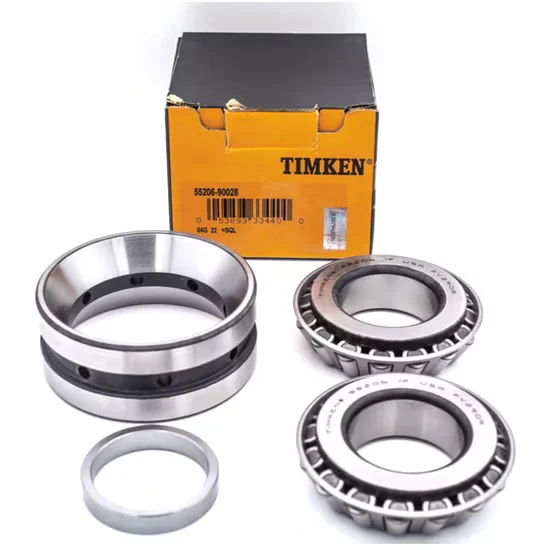 Tapered Roller Bearings TIMKEN 32004 30204 32904 Tapered Roller Bearings Auto Spare Parts Genuine Supply View Details
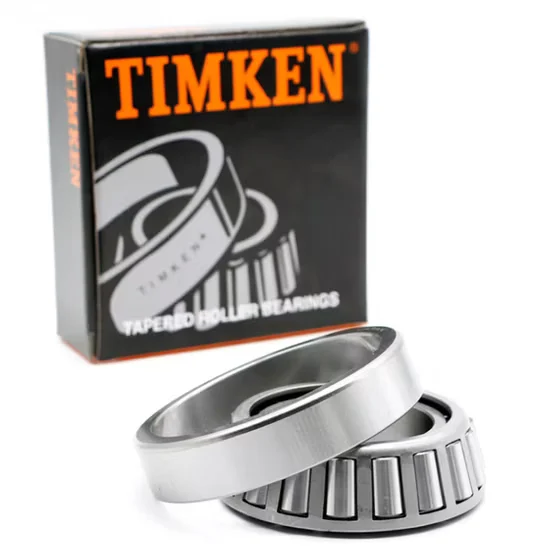 Tapered Roller Bearings Genuine TIMKEN 32008 Tapered Roller Bearing for Car Accessories Wholesale View Details
 Tapered Roller Bearings Genuine TIMKEN 32303 Tapered Roller Bearings for Automobile Parts View Details
Where it runs
Applications
This bearing is linked to the repair and equipment settings below. Open each one to see the related product categories and models.
One list for inch and metric Timken bearings
Rebuilding a differential, wheel end, gearbox or transmission? Request single replacements or a complete assembly list, and compare the set price with itemized prices.
Send Your Assembly ListTechnical articles
Selection and Identification Guides
These articles support bearing selection and identification for this product type.
Product & Series Guides Sep 24, 2026 HM212049/HM212011 Bearing for Heavy Truck: Wholesale Supplier Verify HM212049/HM212011 bearing specs to prevent heavy truck axle failures and port seizures. Ensure precise inner and outer ring matching alongside flawless customs documentation… Read the Article  Applications & Industries Sep 23, 2026 Tapered Roller Bearings for Lumber Mill Equipment Wholesale Supplier Selecting the right Tapered Bearings in Lumber Mill Equipment requires C3 or C4 internal clearance to prevent thermal seizure during high-speed operations. Combine this… Read the Article
 Buying Guide Sep 23, 2026 Timken Bearings for Lawn and Garden Equipment Wholesale Supplier Prevent costly spindle failures by selecting genuine Timken bearings for lawn and garden equipment that match specific load conditions. Verify authenticity through traceability documentation… Read the Article
Buyer questions
Frequently Asked Questions
Transmission Repairs Company supplies Timken bearings to repair shops, distributors and equipment operators worldwide. These answers cover the points buyers check most often.
Do I need to provide both cone and cup numbers?
Yes, provide both numbers wherever the bearing has a separate cone and cup. Listing each component keeps the cup from being missed on the order. If a number is incomplete, send a clear photo of the markings and state what needs confirming.
Can a substitute be supplied without my approval?
No, any technical change requires buyer approval. A substitute is considered only if it is separately identified. The exact specification and complete assembly are confirmed before you accept the quote.
Which product documents can I request?
Name the product documents you need when you request a quote. The documents for your bearing are confirmed at that stage, alongside the part numbers, quantities and estimated lead time.
How are shipping documents handled?
Shipping documents are confirmed for each order, together with the transport method and dispatch arrangements. Include your destination country and postal code in the request. This also lets you compare total landed cost on bulk orders.
Written quote
Request a Quote for This Bearing
Send your cone and cup numbers or full assembly number, and get a written quote with price, availability, estimated lead time and quote validity.
-
WhatsApp
Chat About This Bearing -
Email
info@usatimken.com